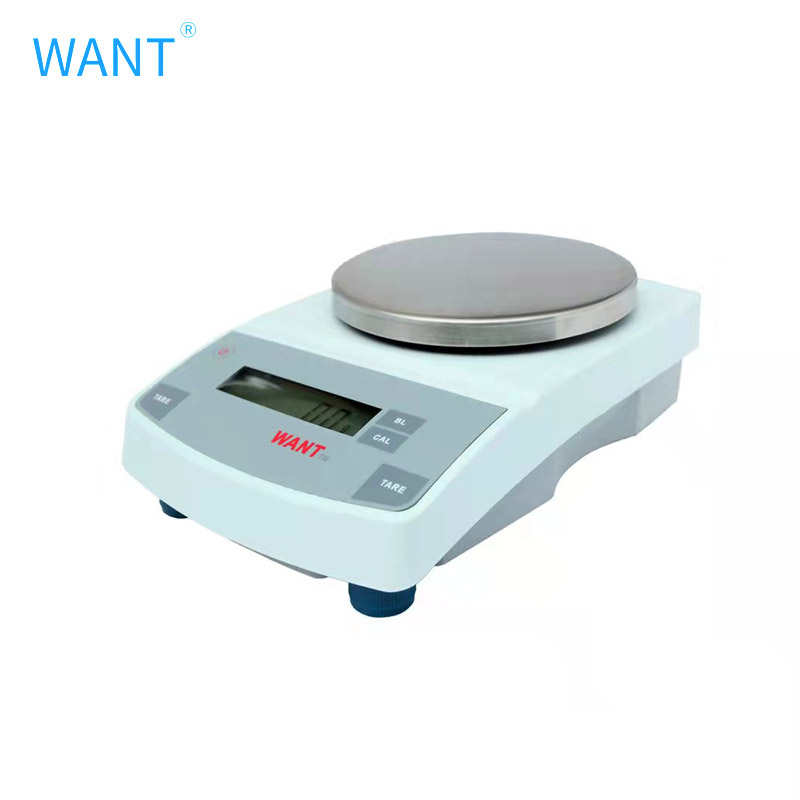




What is Moisture analyzer? A Complete Guide to Their Features and Uses
 Jul 08, 2025|
 View:3564
A moisture analyzer is a specialized laboratory instrument that measures the moisture content in various materials with exceptional precision and speed ((e.g. during the lab-scale compounding of amino acid fertilizers). These devices have become essential tools in industries ranging from food processing to pharmaceuticals, where accurate moisture measurement directly impacts product quality and safety. Modern moisture analyzers combine advanced heating technology with a precise electronic balance for laboratory applications, delivering reliable results that help manufacturers maintain consistent product standards and comply with regulatory requirements.

Key Takeaways
Moisture analyzers provide fast, accurate moisture content measurements using halogen heating technology and precision weighing systems.
These instruments serve critical functions in quality control across food, pharmaceutical, chemical, and manufacturing industries.
Modern moisture analyzers offer automated features, data logging, and customizable testing programs for enhanced efficiency.
Proper calibration and maintenance ensure long-term accuracy and reliability of moisture measurement results.
Understanding measurement principles helps users select the right analyzer for their specific application needs.
Understanding Moisture Analyzer Technology
What is a Moisture Analyzer?
A moisture analyzer is an analytical instrument that determines the moisture content of samples by measuring weight loss during controlled heating. The device combines a precision electronic balance for laboratory use with an integrated heating system, typically using halogen lamps or infrared technology. This combination allows for rapid, automated moisture determination without the need for separate ovens or lengthy drying procedures.
Note: Modern moisture analyzers can complete most moisture determinations in just 3-15 minutes, compared to traditional oven methods that may take several hours.
Core Components and Design
A typical moisture analyzer consists of several key components working together to deliver accurate results:
| Component | Function | Technology | Key Features |
| Precision Balance | Weight measurement | Electromagnetic force compensation | 0.1mg to 0.001mg readability |
| Heating System | Moisture evaporation | Halogen lamp or infrared | Temperature range 40-200°C |
| Control Unit | Process automation | Microprocessor-based | Program storage, data logging |
| Sample Pan | Sample containment | Aluminum or glass | Even heat distribution |
How Moisture Analyzers Work?
What Does a Moisture Analyzer Do?
A moisture analyzer performs automated moisture determination by weighing a sample before and after controlled heating. The instrument continuously monitors weight loss as moisture evaporates from the sample. When the weight loss rate falls below a predetermined threshold, the analysis is complete, and the final moisture content is calculated and displayed as a percentage.
The process involves several automated steps that ensure consistent, reliable results. First, the analyzer establishes a baseline weight of the sample at room temperature. Then, the heating system activates, applying controlled heat to drive off moisture. Throughout the heating process, the electronic balance for laboratory applications continuously monitors weight changes with high precision.
What is the Principle of the Moisture Analyzer?
The fundamental principle behind moisture analyzer operation is the thermogravimetric method, which measures weight loss due to moisture evaporation under controlled heating conditions. This principle relies on the fact that when a sample is heated, volatile components (primarily water) evaporate, causing a measurable reduction in sample weight.
The moisture content is calculated using the formula: Moisture Content (%) = (Initial Weight - Final Weight) / Initial Weight × 100. Modern moisture analyzers can apply various heating profiles and termination criteria to optimize results for different sample types. According to NIST standards, this gravimetric approach provides highly accurate moisture measurements when properly calibrated and operated.
Advanced Heating Technologies
Contemporary moisture analyzers employ sophisticated heating technologies to ensure uniform heat distribution and prevent sample degradation. Halogen heating systems offer rapid temperature ramping and precise temperature control, while infrared heating provides gentle, even heat distribution suitable for temperature-sensitive samples.
Halogen heating: Fast response, high-temperature capability, excellent temperature uniformity
Infrared heating: Gentle heating, reduced risk of sample decomposition, energy efficient
Programmable heating profiles: Customizable temperature ramps for specific sample requirements
Temperature monitoring: Real-time temperature feedback for precise control
Accuracy and Precision Factors
How Accurate is a Moisture Analyzer?
Modern moisture analyzers achieve remarkable accuracy levels, with typical precision ranging from ±0.01% to ±0.05% moisture content, depending on the instrument specification and sample characteristics. The accuracy depends on several factors, including instrument calibration, sample preparation, heating parameters, and environmental conditions.
Professional-grade moisture analyzers used in quality control laboratories can achieve even higher precision, with some models offering reproducibility better than ±0.01% moisture content. ISO standards for moisture determination provide guidelines for achieving and maintaining measurement accuracy across different applications.
Factors Affecting Measurement Accuracy
Several critical factors influence the accuracy and repeatability of moisture measurements:
Sample size: Optimal sample sizes typically range from 1-10 grams for best results
Sample preparation: Uniform sample distribution and appropriate particle size
Heating temperature: Proper temperature selection prevents sample decomposition
Termination criteria: Appropriate end-point determination for different sample types
Environmental conditions: Stable temperature and humidity in the laboratory
Applications and Industries
Food and Beverage Industry
The food industry relies heavily on moisture analyzers for quality control and regulatory compliance. Moisture content directly affects product shelf life, texture, and nutritional value. FDA labeling requirements mandate accurate moisture content reporting for many food products.
Common applications include analyzing moisture in grains, flour, dairy products, processed foods, and beverages. Manufacturers use moisture analyzers to optimize production processes, ensure consistent product quality, and comply with industry specifications.
Pharmaceutical and Chemical Industries
Pharmaceutical manufacturing requires precise moisture control to ensure drug stability and efficacy. Moisture analyzers help pharmaceutical companies monitor raw materials, intermediate products, and final formulations. USP guidelines specify moisture testing requirements for pharmaceutical products.
In chemical manufacturing, moisture content affects product purity, stability, and processing characteristics. Moisture analyzers enable manufacturers to maintain consistent product quality and optimize production efficiency.
Additional Applications
Beyond food and pharmaceuticals, moisture analyzers serve diverse industries, including:
Paper and pulp industry: Monitoring moisture in raw materials and finished products
Textile industry: Controlling moisture in fibers and fabrics
Cosmetics: Ensuring proper moisture content in creams and lotions
Agricultural products: Testing moisture in seeds, grains, and feed
Environmental testing: Analyzing moisture in soil and waste materials
Selection and Maintenance Guide
Choosing the Right Moisture Analyzer
Selecting the appropriate moisture analyzer requires careful consideration of your specific application requirements. Key factors include sample type, required accuracy, throughput needs, and budget constraints.
Consider these essential features when evaluating moisture analyzers:
Weighing capacity and readability are appropriate for your sample sizes
Temperature range suitable for your sample types
Heating system type (halogen vs. infrared) based on sample characteristics
Data logging and connectivity features for quality assurance
Compliance with relevant industry standards and regulations
Calibration and Maintenance
Regular calibration ensures the continued accuracy and reliability of moisture measurements. Most moisture analyzers require periodic calibration using certified reference materials or calibration weights. NIST traceability standardsprovide guidance for maintaining measurement accuracy.
Essential maintenance practices include:
Daily cleaning of sample pans and weighing chamber
Regular calibration checks using certified reference materials
Periodic replacement of heating elements and filters
Environmental monitoring to ensure stable operating conditions
Documentation of calibration and maintenance activities
Professional Tip: Establish a preventive maintenance schedule based on usage frequency and manufacturer recommendations to ensure optimal performance and extend instrument life.
Future Trends and Technology
Digital Integration and Automation
Modern moisture analyzers increasingly feature digital connectivity, allowing integration with laboratory information management systems (LIMS) and quality management software. This connectivity enables automated data collection, trend analysis, and regulatory reporting.
Advanced models offer features such as automatic sample identification, barcode scanning, and wireless data transmission. These capabilities enhance laboratory efficiency and reduce the risk of transcription errors in quality control processes.
Enhanced Accuracy and Speed
Ongoing technological developments focus on improving measurement accuracy while reducing analysis time. New heating technologies and advanced algorithms enable faster moisture determination without compromising precision.
Future innovations may include improved sensor technologies, enhanced temperature control systems, and artificial intelligence-based optimization of heating profiles for different sample types.
Conclusion
Moisture analyzers have become indispensable tools for quality control across numerous industries, offering rapid, accurate moisture determination that supports product quality and regulatory compliance. Understanding the principles, capabilities, and applications of these instruments helps laboratory professionals make informed decisions about moisture analysis needs.
Whether you're working in food production, pharmaceuticals, chemicals, or other industries requiring precise moisture control, investing in a quality moisture analyzer can significantly improve your analytical capabilities and operational efficiency. When selecting a moisture analyzer supplier, consider partnering with WANT, a trusted supplier committed to providing high-quality analytical instruments and comprehensive support services.
FAQ
What sample size is best for moisture analysis?
Optimal sample sizes typically range from 1-10 grams, depending on the analyzer capacity and sample characteristics. Larger samples may provide better averaging but require longer analysis times.
How often should moisture analyzers be calibrated?
Calibration frequency depends on usage and accuracy requirements. Most laboratories perform daily calibration checks and comprehensive calibrations monthly or quarterly.
Can moisture analyzers handle all sample types?
While moisture analyzers work with most samples, some materials may require special handling or alternative methods. Samples containing volatile compounds other than water may need specialized testing approaches.
What is the difference between halogen and infrared heating?
Halogen heating offers faster heating and higher temperatures, while infrared heating provides gentler, more uniform heating suitable for temperature-sensitive samples.
How do I ensure accurate moisture measurements?
Ensure accurate measurements through proper sample preparation, appropriate heating parameters, regular calibration, and stable environmental conditions in the laboratory.