



How Does a Moisture Analyzer Work? Key Principles Explained
 Oct 11, 2025|
 View:1516
A technician places a sample in a moisture analyzer as it begins heating. The digital display shows real-time weight loss while the halogen lamp dries the material. Sensors monitor temperature and weight changes continuously. The device calculates moisture content automatically and stores results. This process delivers accurate moisture readings in minutes, helps maintain quality standards, and ensures product consistency throughout production.
Key Takeaways
- Moisture analyzers use thermogravimetric principles to measure weight loss during heating, providing fast and accurate moisture determination.
- Key components like precision balances, heating systems, and sensors work together to automate the testing process and eliminate human error.
- Automatic temperature control and real-time monitoring ensure consistent results without constant supervision.
- Advanced measurement technology guarantees reproducible moisture readings, which is crucial for quality control across industries.
- Proper sample preparation and method selection maintain accuracy standards, protecting product quality and regulatory compliance.
Moisture Analyzer Working Process
Machine Components
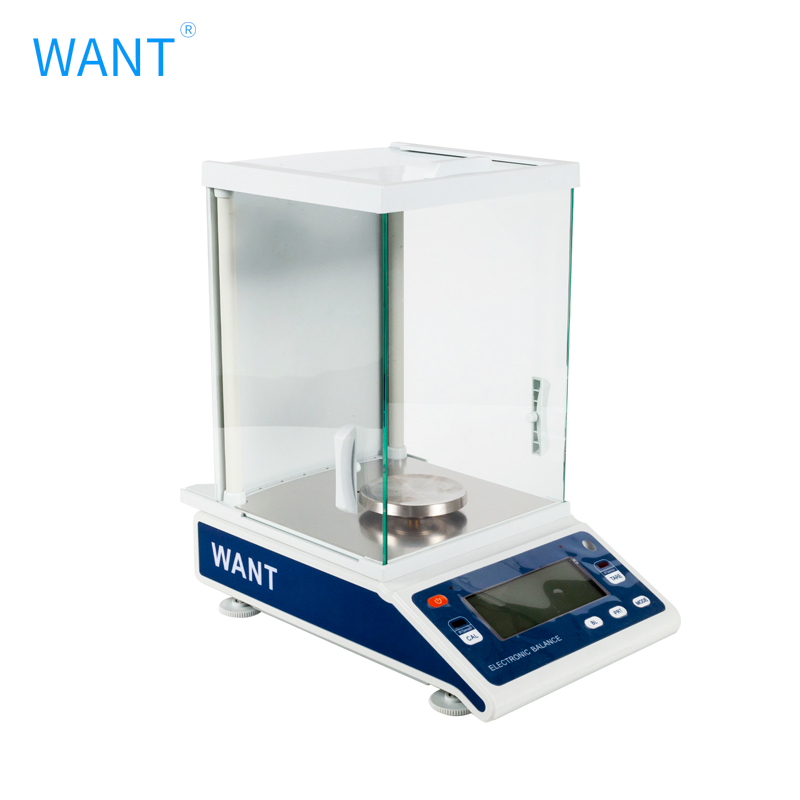
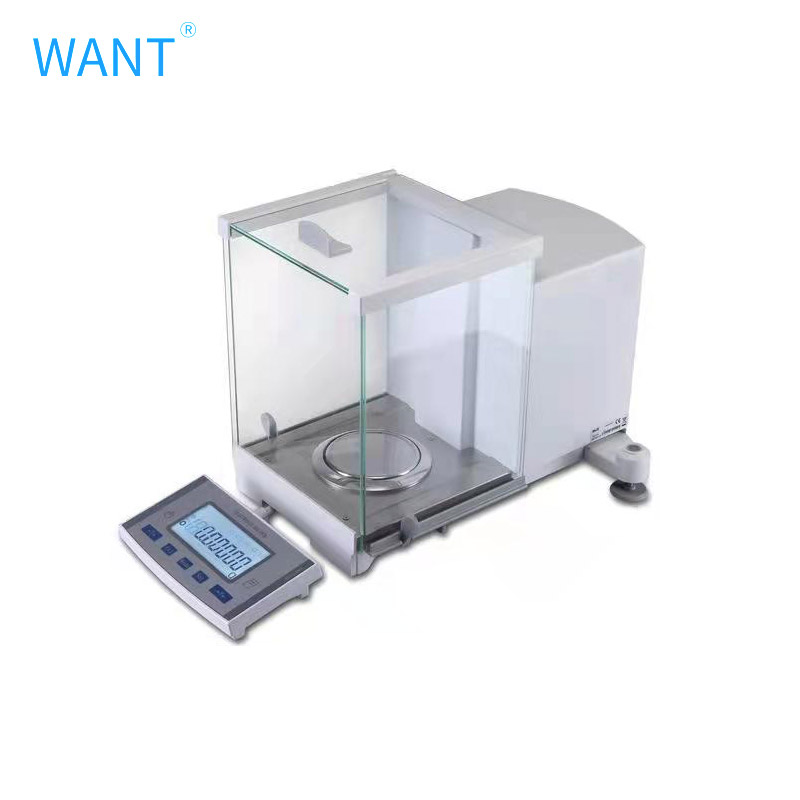
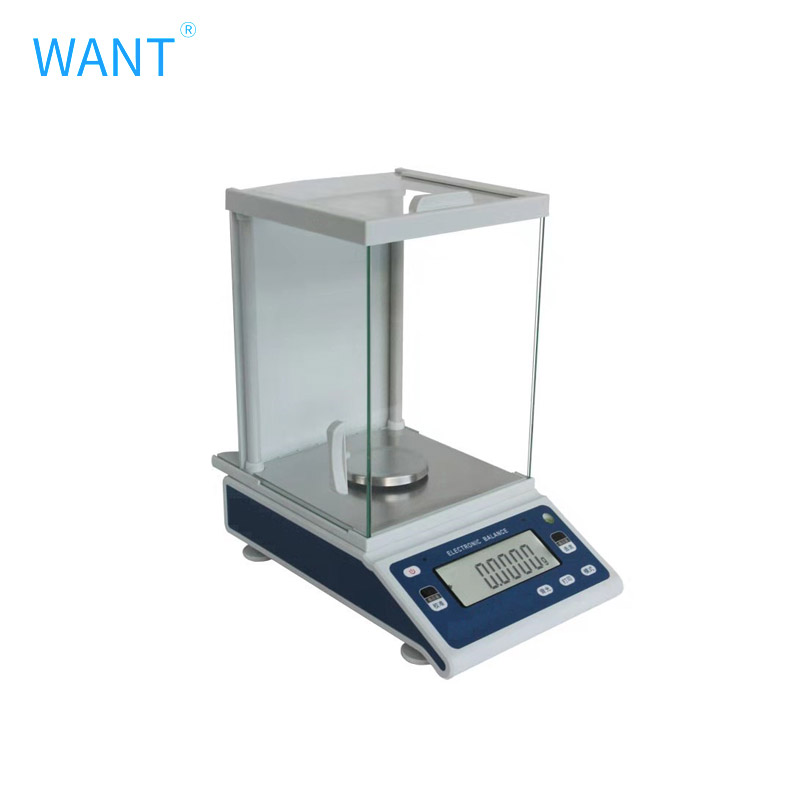
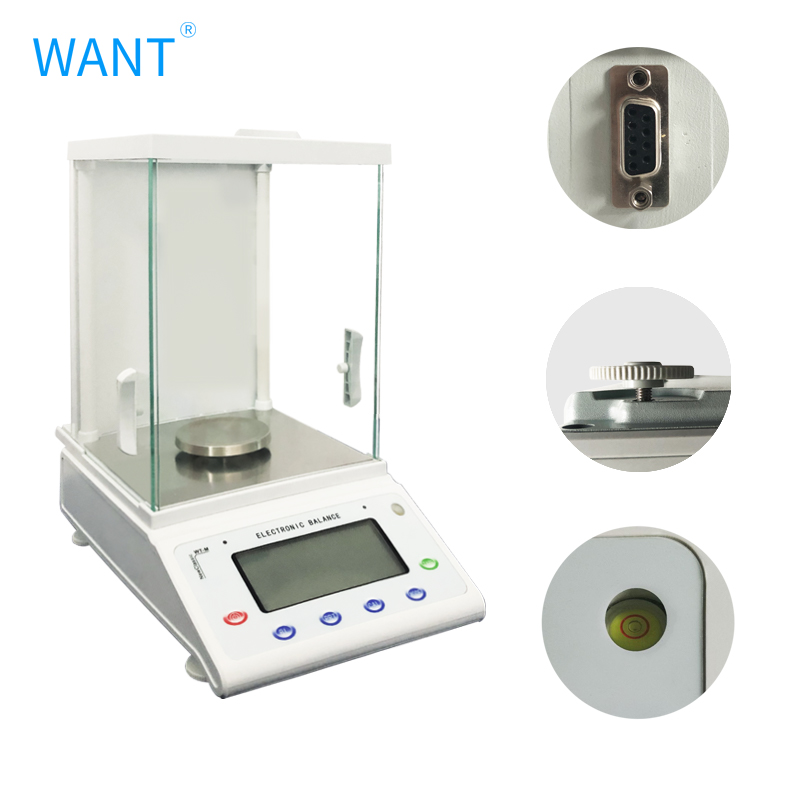
Users interact with several important parts when operating a moisture analyzer.
- Precision balance measures sample weight changes during drying.
- Heating element provides controlled heat to evaporate moisture.
- Sample pan holds material during the testing process.
- Temperature sensor monitors heat levels for accuracy.
- Digital display shows real-time moisture content and weight.
- Control panel allows users to set drying parameters.
- Draft shield protects measurements from air currents.
Each part works together to keep the measurement process accurate and efficient.
Weighing System
The precision balance forms the core of the moisture analyzer. Users see samples weighed with readability down to 0.001g or finer. The weighing chamber stays isolated from external vibrations and temperature changes. The balance automatically compensates for thermal effects during heating, which maintains accuracy throughout the test. Users get reliable weight measurements from start to finish.
Heating Technology
Users rely on different heating methods to dry samples effectively. Halogen lamps provide rapid, uniform heating through infrared radiation. These systems heat samples quickly while maintaining precise temperature control. Infrared heating targets the sample directly without warming surrounding air excessively. Some analyzers use ceramic heaters for gentle, consistent drying of heat-sensitive materials.
Sensors and Automation
Sensors and automation make moisture analyzers more intelligent and user-friendly.
Tip: Automation helps laboratories save time and improve consistency.
| Feature | Benefit |
Temperature Control | Users set exact drying temperatures for different materials. |
Automatic Shutdown | The device stops when moisture removal is complete, preventing errors. |
Data Storage | Users access previous results and testing parameters instantly. |
Sensors monitor weight changes continuously. When the rate of weight loss drops below a threshold, the analyzer automatically ends the test. Users maintain productivity without constant monitoring.

Operation Steps
Sample Preparation
Users start by preparing representative samples. The sample size typically ranges from 1g to 20g depending on the material. Proper sample preparation ensures accurate results. Users distribute material evenly across the sample pan for uniform heating. Solid materials may require grinding or cutting into smaller pieces. This step ensures moisture evaporates completely during testing.
Tip: Even distribution of samples helps users achieve reproducible measurements and prevents incomplete drying.
Parameter Setting
Users select appropriate testing parameters based on their material type. The control panel allows adjustment of temperature, shutdown criteria, and heating profiles. These settings guarantee consistent results across multiple tests.
| Setting Type | Description |
Temperature | Users choose drying temperature from 40°C to 230°C based on material properties. |
Shutdown Mode | Time-based or automatic shutdown when weight stabilizes for accurate endpoint detection. |
Heating Profile | Standard or stepped heating for materials requiring gentle initial drying. |
Users customize settings for their specific application. The analyzer stores methods for quick recall, making repeat testing faster.
Drying and Monitoring
Users watch as the heating element activates and moisture evaporates. The digital display shows moisture content updating in real-time. The balance continuously tracks weight loss during the heating cycle. Users observe the drying curve to understand how quickly moisture releases from the sample.
- Real-time weight display shows progress throughout the test.
- Temperature monitoring ensures consistent heating conditions.
- Automatic recording captures all data without manual entry.
Users complete tests in minutes rather than hours. The moisture analyzer averages 5 to 15 minutes per test, allowing high-throughput quality control.
Result Calculation
Users receive automatic moisture content calculation when drying completes. The analyzer uses the formula: Moisture (%) = [(Initial Weight - Final Weight) / Initial Weight] × 100. Advanced algorithms process weight data and display results immediately.
- The system calculates moisture percentage automatically.
- Results include sample ID, test date, and all parameters.
- Users export data to computers or printers for documentation.
Users print certificates or transfer results electronically. This automation eliminates calculation errors and speeds up reporting.
Data Management
Users benefit from comprehensive data storage and retrieval features. The moisture analyzer saves test results with complete traceability. Level indicators show storage capacity, alerting users when memory approaches limits.
- The system stores hundreds of test results internally.
- Users search results by date, sample ID, or operator name.
- Data export supports quality management systems.
Note: Automated data management helps users meet regulatory requirements and maintain quality records.
Features
Precision
Users achieve exceptional accuracy with modern moisture analyzers. These instruments use high-resolution balances and precise temperature control to ensure each measurement meets quality standards. Advanced models deliver repeatability within ±0.05% for consistent results.
- Users trust the analyzer to deliver reproducible readings across multiple tests.
- Calibration protocols verify accuracy and maintain measurement confidence.
| Feature | Benefit |
High-resolution balance | Detects minute weight changes for sensitive materials |
Temperature stability | Maintains consistent heating for reproducible results |
Automated calculation | Eliminates manual errors and speeds reporting |
Leading moisture analyzers reach precision levels that meet stringent pharmaceutical and food safety requirements.
Speed
Users complete moisture testing significantly faster with automated analyzers. Traditional oven methods require hours, while moisture analyzers finish tests in 5-15 minutes.
- Rapid heating technology accelerates moisture evaporation.
- Automated operation reduces hands-on time and labor costs.
- High throughput supports busy production environments.
| Method | Test Time |
Conventional oven | 2-24 hours |
Moisture analyzer | 5-15 minutes |
Tip: Speed improvements help users make faster quality decisions and reduce production delays.
Automation
Automation simplifies operation and improves consistency. Users run tests with minimal supervision, which reduces operator variation. The system handles measurement, calculation, and documentation automatically.
- Automated shutdown ensures complete drying without overcooking samples.
- Programmable methods store optimal settings for different materials.
- Integration with LIMS transfers data electronically for seamless workflows.
| Feature | Description |
Accuracy | Precise weight and temperature control minimize measurement uncertainty |
Efficiency | Fast testing meets production demands without bottlenecks |
Compliance | Audit trails and data integrity support regulatory requirements |
Flexibility | Method programming adapts to diverse sample types |
Note: Automation helps users maintain consistent quality while reducing training requirements.
Applications
Users apply moisture analyzers across numerous industries. These instruments test pharmaceuticals, food products, chemicals, and building materials effectively.
- Pharmaceutical companies verify active ingredients and excipients meet moisture specifications.
- Food processors monitor grains, spices, dried fruits, and snack foods for quality and shelf life.
- Chemical manufacturers control moisture in polymers, resins, and raw materials.
- Construction suppliers test cement, gypsum, and aggregates before use.
Small laboratories use compact analyzers for routine testing. Large production facilities deploy multiple units for continuous quality monitoring. Versatile moisture analyzers adapt to different sample types and testing requirements.
| Industry | Application |
Pharmaceuticals | API and tablet moisture testing |
Food & Beverage | Moisture content in ingredients and finished products |
Chemicals | Polymer and powder moisture analysis |
Construction | Building material quality control |
Users customize testing methods for specific materials, ensuring accurate results across diverse applications.
Summary
Users follow a systematic process when operating a moisture analyzer. Each step ensures accurate, reliable, and efficient moisture determination.
| Step | How It Helps Users |
1 | Prepare representative samples for consistent testing. |
2 | Set temperature and shutdown criteria for material type. |
3 | Monitor real-time drying with automatic weight tracking. |
4 | Receive calculated results instantly without manual math. |
5 | Store and export data for quality documentation. |
When laboratories choose a moisture analyzer, they consider several factors:
- Accuracy requirements for their application
- Sample size range they typically test
- Throughput needs for production support
- Regulatory compliance features required
- Budget and return on investment
A quality moisture analyzer helps organizations improve efficiency, maintain product standards, and meet regulatory requirements. For businesses seeking reliable moisture measurement solutions, selecting an experienced moisture analyzer manufacturer makes a significant difference. WANT specializes in precision moisture analysis instruments designed for demanding laboratory and industrial applications, combining advanced technology with intuitive operation to meet diverse moisture testing needs.
FAQ
How do you calibrate a moisture analyzer?
Users calibrate the balance using certified reference weights. They place each weight on the pan and verify readings match certified values. Temperature verification uses calibrated sensors to check heating accuracy.
Tip: Regular calibration maintains accuracy and supports compliance with quality standards.
Can one analyzer test different material types?
Users adjust temperature, shutdown criteria, and drying time for each material. The device stores multiple methods for quick selection.
| Material Type | Adjustment Needed |
Heat-sensitive | Lower temperature, longer time |
High-moisture | Higher temperature, automatic shutdown |
What moisture range can analyzers measure?
Users test materials from 0.01% to 100% moisture content. The precision balance detects small moisture amounts in dry materials. The heating system removes high moisture levels from wet samples effectively.
- Low moisture: 0.01-1% requires fine balance readability
- Medium moisture: 1-20% suits most industrial applications
- High moisture: 20-100% needs appropriate sample size
How do users prevent measurement errors?
Users ensure even sample distribution and proper sample size. They select appropriate drying temperature to avoid decomposition. Regular cleaning prevents contamination between tests.
Environmental control helps maintain consistent results.
Is switching between test methods simple?
Users select saved methods from the control panel menu. The analyzer recalls all parameters automatically. No manual adjustments are needed for routine testing.
- Users switch methods in seconds for different materials.
- Stored methods ensure consistency across operators and shifts.