



The difference between analytical balance and normal weighing balance
 Oct 16, 2026|
 View:2714
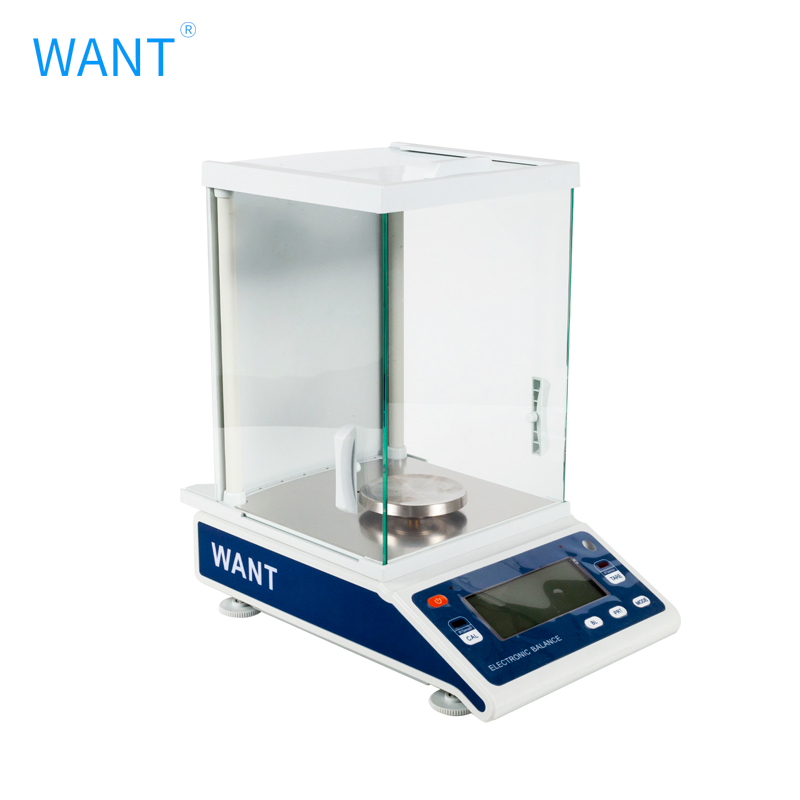
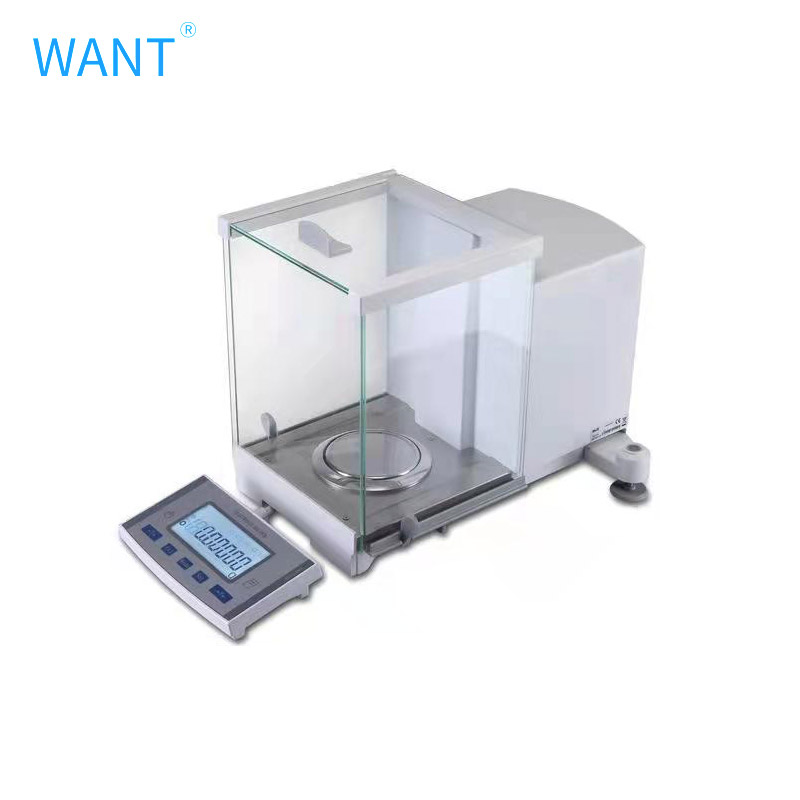
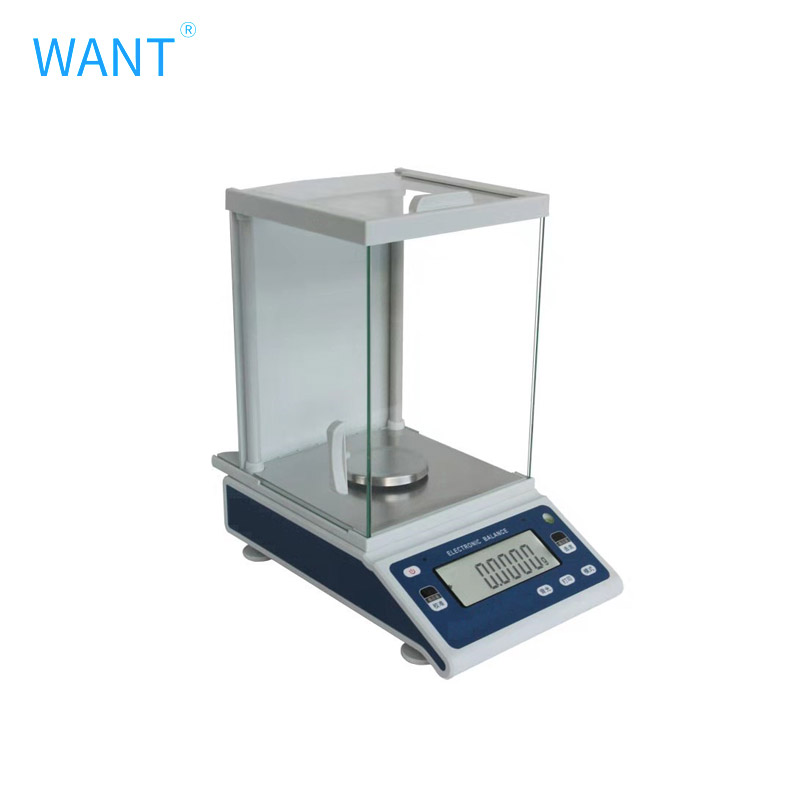
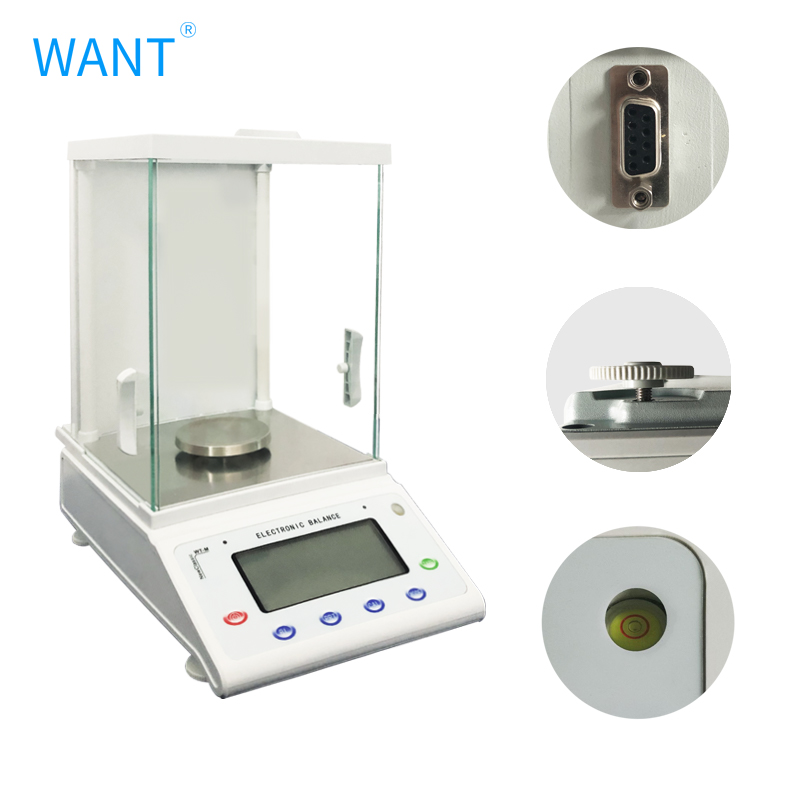
An analytical balance is designed for laboratory measurements that require fine readability, commonly 0.1 mg (0.0001 g), and typically uses a draft shield to reduce the effects of air currents. A regular weighing balance is a broader category that may offer higher capacity and coarser readability for routine weighing. The right choice depends on sample mass, required measurement uncertainty, capacity, and the laboratory procedure.
You have to pick an analytical balance or a normal weighing balance when you need to be exact. Analytical balances can measure very small amounts. They show results as small as 0.0001 grams. Normal balances are not as sensitive. Look at the main differences below:
Feature | Analytical Balance | Normal Weighing Balance |
|---|---|---|
Readability | 0.0001 g | 0.01 g |
Minimum Measurable Mass | 0.1 g |
Analytical Balance vs Normal Weighing Balance
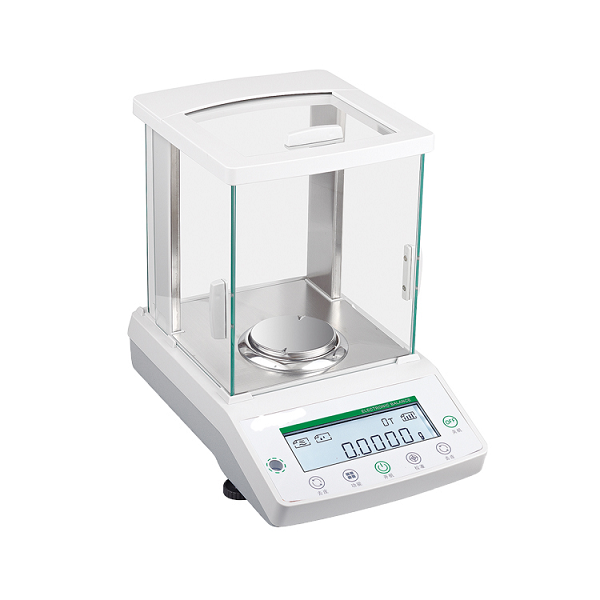
What is an Analytical Balance?
An analytical balance is used to measure very small amounts. It can notice changes as tiny as 0.0001 grams. People use these balances in labs for research or medicine. Analytical balanceshelp get correct results in chemical and drug work. You usually see them in labs with controlled settings. These balances have a draft shield to block air from moving the sample. You must handle analytical balances with care and check them often. The balance should sit on a steady table with no shaking. You need to clean the balance after every use to stop mixing samples. Training is important before you use an analytical balance. These balances are important for following strict lab rules. They meet standards from groups like ISO and GLP. Analytical balances help you measure with great accuracy.
Analytical balances measure very small samples with high accuracy.
People use analytical balances in chemical and drug labs.
You must check and clean analytical balances often.
Analytical balances need to be on steady tables.
Labs have strict rules for using analytical balances.
What is a Normal Weighing Balance?
A normal weighing balance is for everyday jobs that do not need super accuracy. It measures bigger samples and shows results to the nearest 0.01 grams. You find these balances in school labs and places that check quality. Normal weighing balances are simple to use and need less training. You can use them to weigh powders, solids, or liquids when you do not need perfect results. Normal weighing balances do not have a draft shield. You do not need to check them as often as analytical balances. These balances help you finish daily weighing jobs fast and easily.
Normal weighing balances are for everyday weighing.
You see normal weighing balances in schools and quality labs.
They are easy to use.
Normal weighing balances can weigh bigger samples.
You do not need to check them as much.
Tip: Pick an analytical balance if you need the best accuracy. Use a normal weighing balance for regular jobs where you do not need perfect results.
Key Differences Between Analytical Balances and Normal Balances
Accuracy and Precision
It is important to know how accuracy and precision are different. Analytical balances can measure very tiny amounts, even as small as a microgram. These balances show numbers with four decimal places. This helps you get very exact results in science and medicine. Normal weighing balances, like precision balances, usually show three decimal places. These balances are not as exact, but they are good for most jobs.
Feature | Analytical Balance | Normal Weighing Balance |
|---|---|---|
Precision | Four decimal places (0.0001 g) | Three decimal places (0.001 g) |
Accuracy | Microgram-level accuracy | Milligram to gram accuracy |
Weighing Accuracy | Highest available | Sufficient for routine tasks |
Analytical balances are best for measuring very small samples. Precision balances work better for bigger samples. You should pick a balance based on how exact you need to be.
Sensitivity and Readability
Analytical balances are very sensitive. They can notice changes as small as a microgram. These balances can read 0.1 mg (0.0001 g). Precision balances and normal weighing balances can read from 0.01 g to 0.001 g. These balances are less sensitive, but they are easier for bigger samples.
Analytical balances: Readability of 0.1 mg (0.0001 g)
Precision balances: Readability from 0.01 g to 0.001 g
Microbalance: Used for microgram samples
If you need to measure very tiny or small samples, use an analytical balance or microbalance. For bigger samples, a precision balance or normal weighing balance is a better choice.
Capacity and Range
Capacity means how much weight a balance can hold. Analytical balances can weigh from 1g to 500g. Precision balances can weigh from 1g up to 70,000g. Microbalances are for very tiny samples and hold less weight.
Type of Balance | Capacity Range | Readability |
|---|---|---|
Analytical Balances | 1g to 500g | 0.01 mg to 1 mg |
1g to 70,000g | 1 mg to 1 g | |
Microbalance | Microgram samples | Microgram |
Use an analytical balance for small samples that need to be measured very exactly. For bigger samples, a precision balance or normal weighing balance is easier to use.
Calibration Needs
Calibration keeps balances working right. Analytical balances need to be checked often, sometimes before every use or at least once a month. You can use internal calibration, which is automatic, or external calibration, which you do by hand. Internal calibration is easy, but external calibration lets you control it more.
Analytical balances: Frequent calibration (before each use or monthly)
Precision balances: Less frequent calibration
Calibration methods: Internal (automatic) and external (manual)
You must check your analytical balance often to keep it accurate. Precision balances do not need to be checked as much, so they are easier to take care of.
Design Features
Analytical balances have special parts to help them be more exact. They have a draft shield around the pan to stop air from moving the sample. These balances sit on tables that do not shake. This helps stop mistakes. Analytical balances also have advanced screens and buttons for careful measuring.
Feature | Analytical Balance | Normal Weighing Balance |
|---|---|---|
Enclosure | Enclosed with draft shield | Open or partially closed |
User Interface | Advanced for precise measurements | Simple controls |
Environmental Sensitivity | High (affected by air, vibration, humidity) | Lower sensitivity |
You should put your analytical balance away from wind, sunlight, and heat. Clean the balance before you use it to stop mixing samples. Precision balances and normal weighing balances do not need as many rules about where you put them.
Note: Analytical balances and microbalances are very exact tools. They can be affected by things like air and shaking, so you must follow rules to get good results.
The main differences between analytical balances, microbalances, and precision balances help you pick the right one for your lab work. Analytical balances and microbalances are best for very tiny samples and need to be very exact. Precision balances are better for bigger samples and everyday weighing. Always think about accuracy, precision, how much weight, calibration, and design when you choose a balance.
Laboratory Balance Applications
Analytical Balance Uses
Analytical balances are used when you need the most accuracy. These balances are important in making medicine and doing science tests. You must follow rules to get good results. Analytical balances help you measure small things, like powders for medicine or chemicals for science. You see these balances in places like medicine factories, food factories, hospitals, and labs that check quality.
Application | Description |
|---|---|
Pharmaceutical Compounding | Makes sure medicine has the right amount in each dose. |
Quantitative Chemical Analysis | Gives correct results for science tests. |
Helps doctors and labs give the right amount of medicine. | |
Checks that food has the right ingredients. |
To get the best results, pick a balance with the right size and smallest reading. Let the balance warm up, check if it is set right, and keep the room steady. Clean the balance often and learn how to use it. This helps stop mistakes. If you are not sure which balance to pick, think about how small your sample is and how sensitive the balance needs to be.
Normal Balance Uses
Normal weighing balances are good for everyday jobs that do not need super accuracy. You use them to get samples ready, measure ingredients, and check quality in labs and factories. These balances are used in science studies, building materials, and checking pollution. People use normal balances when they need to weigh bigger things fast, like in school labs or when making solutions every day.
Getting samples ready
Measuring ingredients for medicine
Weighing food and drinks
Checking the quality of products
Science studies on living things
Building and testing materials
Checking pollution levels
If you want to know which balance to use, think about how exact and fast you need to be. Normal balances can hold more weight and work faster. Use them when you do not need perfect accuracy. Always look out for mistakes, like wind or not setting the balance to zero. This helps you get good results. When you choose a balance, think about what you need to do and how exact you need to be.
Analytical Balance vs Normal Balance Table
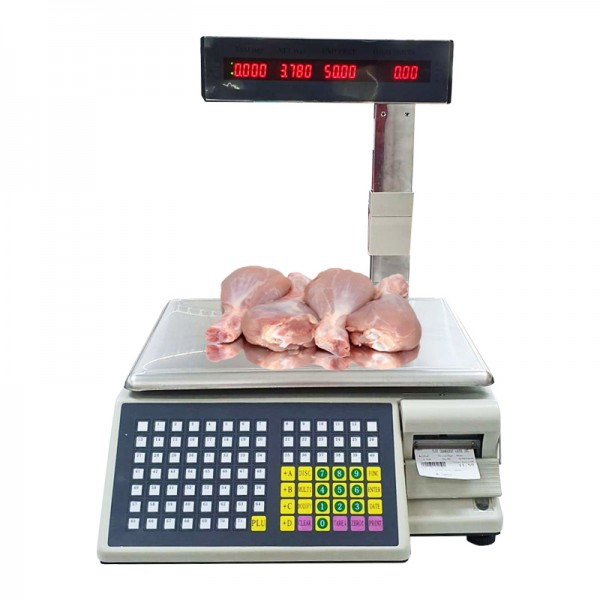
When you pick a balance for your lab, you should look at the main features. Analytical balances and normal weighing balances are not the same. They are different in accuracy, sensitivity, how much they can weigh, and how you use them.
Feature | Analytical Balance | Normal Weighing Balance |
|---|---|---|
Readability | 0.1 mg (0.0001 g) or finer | 1 mg (0.001 g) to 1 g (0.01 g) |
Accuracy | ± 0.1 mg | ± 1 mg or higher |
Capacity | Up to 500 g | 200 g to 30+ kg |
Environmental Control | Needs draft shield, stable table | Less critical, but recommended |
Calibration | Frequent, before each use | Less frequent |
Speed | Slower, needs stabilization | Faster |
Cost | Higher | Lower to moderate |
Ideal For | Micro-weighing, regulated labs | Routine weighing, teaching, prep |
Usage Context | Four or more significant figures | Two or three significant figures |
Use an analytical balance if you need very high accuracy. This is important in places like medicine labs or when testing chemicals. A normal weighing balance is better for everyday jobs, teaching, or weighing bigger things.
Analytical balances are good for measuring tiny samples very exactly.
Normal weighing balances are faster and can weigh bigger things.
If you want your results to be very correct for strict lab work, choose an analytical balance. For normal weighing, a normal balance is quicker and easier to use.
Pick an analytical balance if you need very exact results in the lab. Use a normal balance for regular weighing jobs. Think about how sensitive the balance is, how often you need to check it, and what you will use it for before you choose.
Feature | Analytical Balance | Normal Balance |
|---|---|---|
Precision | 0.1 mg or better | 1 g to 0.001 g |
Typical Use | Chemical analysis | General weighing |
Analytical balances help you get better data and must be checked often.
Normal balances are good for daily work and do not need much care.
Need Help Choosing the Right Laboratory Balance?
Contact WANT to discuss your weighing requirements and find a suitable balance for your laboratory applications.
Contact WANT for Laboratory Weighing SolutionsFAQ
What makes an analytical balance more accurate than a normal weighing balance?
Analytical balances are more accurate because they measure very small amounts. They also have draft shields that stop air from moving the sample. This helps stop mistakes when you weigh things.
Can you use a normal weighing balance for chemical experiments?
You can use a normal weighing balance for easy experiments. If you need to measure chemicals exactly, use an analytical balance instead.
How often should you calibrate your analytical balance?
Calibrate your analytical balance before you use it each time.
Checking it often keeps your results correct and follows lab rules.