




What Makes a Reliable Electronic Balance Supplier?
 Sep 02, 2026|
 View:293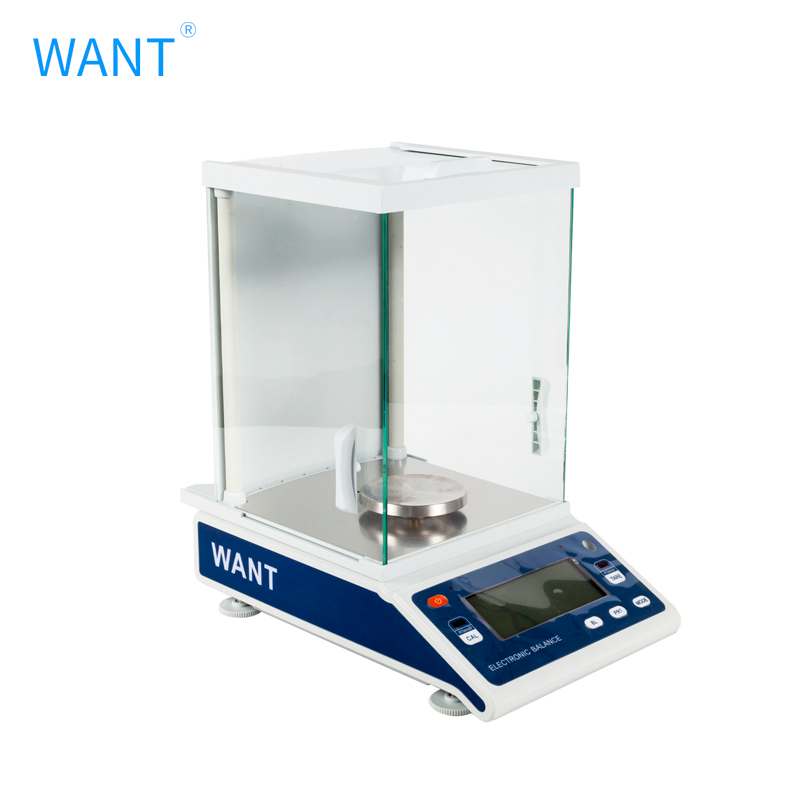
Choosing the right electronic balance supplier shapes how accurate your lab is. You need precision, quick help, and full service. WANT Balance shows these strengths well. Their lab electronic balance products serve drug and biotech fields with steady results. You also want analytical precision that stays reliable over time. The global lab electronic balance market demands high standards. Your lab depends on this tech every day. A good supplier offers more than just equipment. They give calibration, training, and compliance help. Think about these key points when checking any supplier. Your lab deserves balances that work the same every time. Drug and analytical uses need exact measurements. WANT Balance provides this trust. This blog looks at the three main pillars: product quality, supplier expectations, and calibration services.
Key Takeaways
Check for ISO 17025 accreditation and NIST-traceable calibration to get correct measurements.
Look for a supplier that responds quickly and has trained experts to fix problems fast.
Pick a supplier whose warranty covers parts and labor for at least one year.
Use calibration services and training resources to stay accurate and avoid errors.
Choose a supplier that offers clear paperwork and helps you stay ready for audits.
Product Quality of Laboratory Electronic Balances
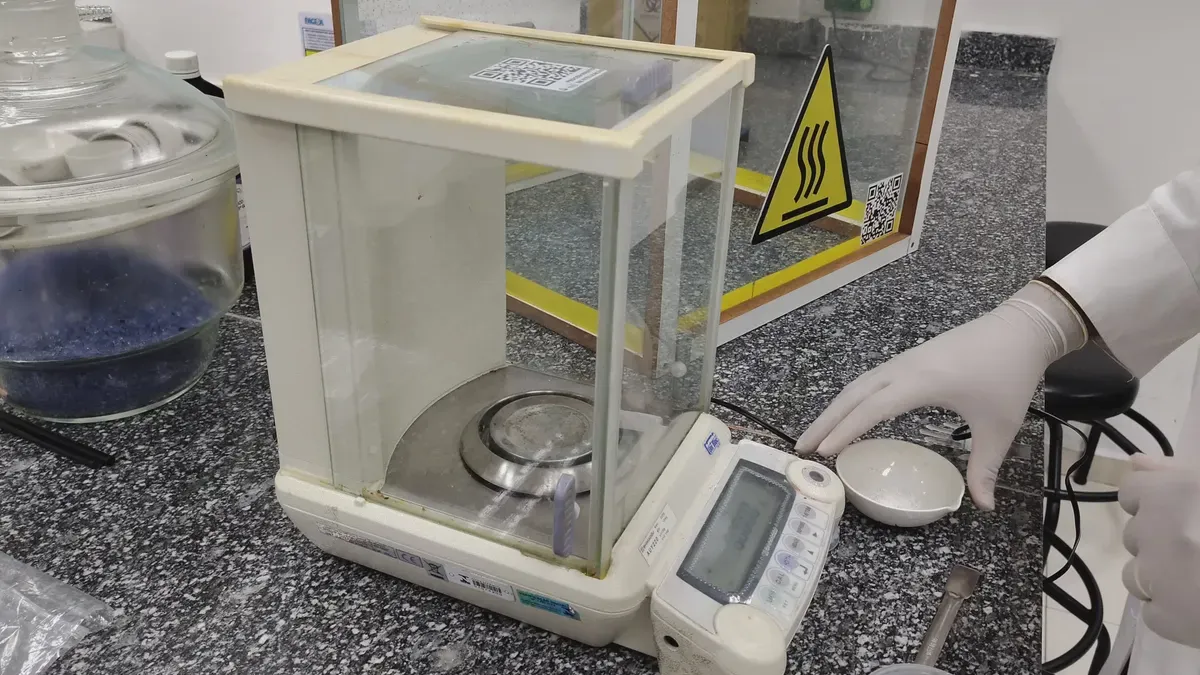
When you check a lab balance, three key features matter most: accuracy, repeatability, and stabilization time. Accuracy tells you how close a reading is to the real weight. Repeatability shows if the balance gives the same result each time you measure the same sample. Stabilization time measures how fast the display settles on a final number. These three factors decide if your lab produces trustworthy data. WANT Balance designs its product line—electronic balances, moisture analyzers, and digital scales—to hit these tough standards. Their instruments deliver top-notch accuracy for everyday weighing tasks and complex lab work alike.
Certifications and Metrological Traceability
Certifications and metrological traceability are must-haves for reliable lab work. Without them, you cannot prove your measurements match international standards. The calibration process compares your instrument's performance against a certified reference material or a device calibrated to known values. You record both numbers for direct comparison. This process shows any difference from the expected standard.
Measurement uncertainty measures the doubt in a result. It includes things like environmental conditions or small variations in the instrument itself. A reliable electronic balance supplier gives you documents that state this uncertainty clearly. Accreditation is also key here. Accreditation ensures calibration labs meet strict standards, work competently, and produce results tied to international standards. When you pick a supplier with accredited calibration services, you feel confident in every reading.
The traceability chain follows a clear path. First, you pick a proper transfer standard and set up a measurement assurance program. You track this standard using control charts for values and uncertainties. Then you send the standard to the calibration lab. The reference lab checks the standard and finds a reference standard traceable to national primary standards. They run calibration and prepare a report with measured values, uncertainties, and a traceability statement. After the standard returns, you measure it again using the same steps. You review the new control chart to spot any drift. Finally, you re-check the standard right before and after actual measurements to confirm it is still good. You figure out measurement uncertainty from the calibration report and write down all steps formally.
Build Quality and Long-Term Stability
Build quality decides how long your lab balance keeps its precision. WANT Balance's design uses advanced electromagnetic sensors and strong microchip systems. These parts work together to give steady readings even when temperatures change. Their strict internal quality checks ensure excellent repeatability and thermal stability. This focus directly meets the long-term stability need that science labs require.
The global lab balance market keeps growing, thanks to new tech and more automation use. Digital and smart features now shape modern balances. Digital screens and automation let connected balances send data straight to your lab information system. This cuts down on manual entry mistakes and speeds up work. Drug and biotech fields especially benefit from these features. Their precision needs demand accurate and dependable measurements every single day.
When you buy a high-quality balance, you cut downtime and avoid costly rework. A balance that drifts or fails early disrupts your whole operation. WANT Balance's focus on strong build means their digital analytical balances handle heavy daily use. Their digital scales manage routine weighing tasks with steady performance. For drug and analytical uses, this reliability leads to better results. You spend less time fixing problems and more time getting valid data. The mix of accurate measuring tech and durable build makes WANT Balance a trusted partner for labs worldwide. Their products give the precision and stability your work needs, day after day.
Expectations from a Reliable Electronic Balance Supplier
When you buy a lab balance, you also buy the supplier's support. Your lab needs fast answers. Technical help must fix problems quickly. Warranty must cover real repair costs. Below, we look at two key areas.
Response Times and Technical Expertise for Troubleshooting
A broken balance stops your lab work. You need help fast. A good supplier responds within hours. But speed alone is not enough. The technician must know the device. They must know how to fix it. A lab balance needs skilled workers.
What training should that technician have? Look for these:
A two-year college degree in electronics or a related field, plus two years of experience.
Experience fixing electronics at the part and circuit level, including both analog and digital systems.
Good soldering skills for both through-hole and surface-mount parts.
Skill with tools like digital multimeters, signal generators, and oscilloscopes.
Knowledge of RF and high-voltage circuits, and ability to repair them safely.
Ability to read schematics and technical manuals.
Strong problem-solving skills for working alone.
Good communication skills for users who are not technical.
A commitment to safety rules in a lab setting.
These skills help the technician find problems like drift, weird behavior, or error messages. They also know when to replace a part or fix the circuit. Keeping accurate measurements needs regular calibration.
User training also matters. Your team should know basic troubleshooting steps. Good documentation helps. Think about this advice:
User Training and Documentation: Taking care of lab balances needs users who know what to do. Training should cover how to use the balance, how to maintain it, and safety rules. Also, good records like manuals, calibration logs, and maintenance sheets help track the balance's performance over time. Troubleshooting and Repairs: Sometimes lab balances have problems that need fixing. Users should know common fixes and when to call a pro. Fixing issues like drift, weird behavior, or error messages quickly can stop more damage and keep downtime low.
WANT Balance gives this support. Their team has skilled technicians who know the global lab balance market. They serve drug and biotech labs with precision. Digital scales from WANT Balance come with the same support.
Warranty Coverage and Service Level Agreements
Warranty protection shows how much a supplier trusts its products. For a lab balance, the warranty period matters. Your lab balance warranty should cover parts and labor. A standard warranty lasts one to three years. It covers parts, labor, and shipping for repairs. You can also buy an extended warranty that lasts up to five years. The extended plan adds preventive maintenance.
The table below shows common options:
Warranty Type | Coverage Period | Inclusions |
|---|---|---|
Standard | 1–3 years | Parts, labor, shipping for repairs |
Extended | Up to 5 years | Additional preventive maintenance services |
A service level agreement (SLA) adds more detail. It states response times, uptime promises, and spare parts availability. For example, a good SLA promises a replacement unit within 48 hours if your balance needs a long repair. Your lab balance should include a clear SLA. Spare parts availability is a key difference. Some suppliers stock parts for old models. Others make you buy a new balance. You want a supplier that keeps parts for at least five years.
WANT Balance offers full warranty and SLA options. Their service covers the analytical balances and digital scales that drug and biotech labs use every day. The global lab balance market keeps growing, and suppliers must keep up with automation and technology. WANT Balance invests in performance and quality. Their digital scales get thorough testing before shipment. Your lab benefits from reliable support.
When you check a supplier, look at their warranty terms closely. Ask about spare parts stock. Ask about typical response times. A reliable supplier answers these questions clearly.
Calibration, Training, and Compliance for Laboratory Balances
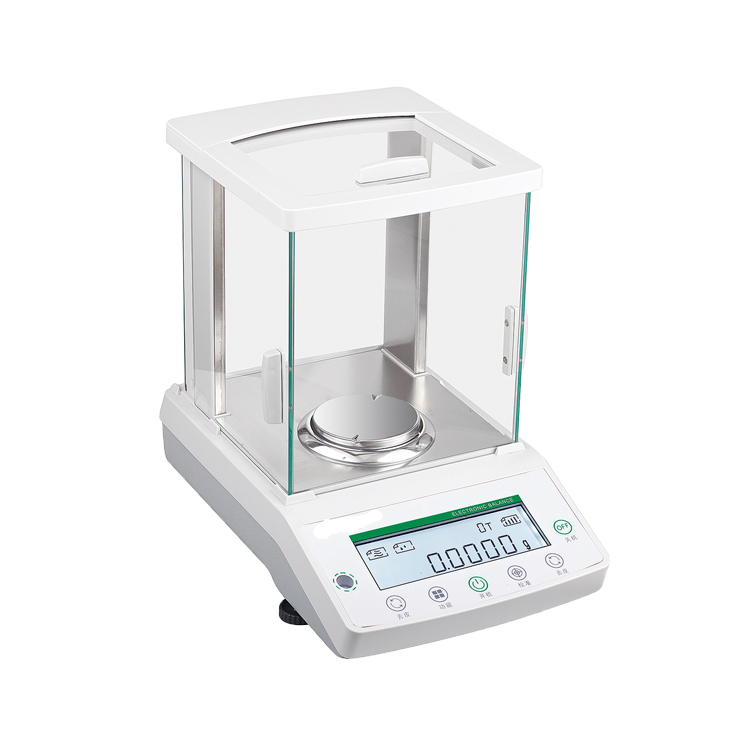
Regular calibration keeps your lab balance trusty. Without it, readings change over time. Temperature shifts, daily use, and heavy wear all affect how well it works. You need a clear plan for checking your tools. The FDA gives advice on this. They say you should check the balance's performance from time to time. How often depends on how much you use it and how important your measurements are. If your balance has a built-in auto-calibrator, you can check less often. But you must still check that auto-calibrator each year with NIST-traceable standards.
The FDA says you should check the balance's performance on a regular basis. How often depends on how much you use the scale and how important the measurements are. For balances with built-in auto-calibrators, you can check less often. Also, you should check the auto-calibrator itself each year using NIST-traceable or NIST-accredited standards.
WANT Balance Calibration Services and Traceable Certificates
WANT Balance offers calibration services that meet these strict rules. Their team uses certified weight sets to test each lab balance. Every calibration gives you a traceable certificate. This paper shows the measurement uncertainty and proves your tool matches international standards. You keep this certificate for audits and quality records. Regulators expect this paperwork. Your drug or biotech lab needs proof of reliable measurements. WANT Balance's calibration service gives that proof with every visit.
The global lab balance market keeps growing. This growth pushes suppliers to improve their calibration offers. WANT Balance stays ahead by mixing precision with helpful service. Their weight sets come in different classes for different testing needs. You can buy these sets for internal checks between professional calibrations. This way keeps your digital scales accurate all year. Regular checks catch small drifts before they become big problems. Your lab keeps steady quality this way.
Training Resources for Digital Analytical Balances
Good training stops costly errors. WANT Balance offers resources that teach you how to use digital analytical balances the right way. These materials cover daily checks, cleaning steps, and proper weighing methods. You learn how the environment affects readings. You also learn how to handle samples without making mistakes. This knowledge directly improves your accuracy in every measurement.
Digital and smart technologies now shape modern lab gear. The growing use of automation in labs calls for new skills. WANT Balance's training resources help you keep up with these changes. Their guides explain how to connect digital scales to your data systems. You learn to automate routine weighing tasks. This cuts down on manual entry errors and speeds up your work. For drug and analytical work, this training is very valuable. Your team gains confidence in handling complex tools. The precise measurements you get lead to reliable results. WANT Balance supports your lab every step, from setup to daily use. Their focus on teaching ensures you get the most from your tech investment.
You now have a clear checklist for evaluating any electronic balance supplier. Product quality demands certified accuracy and durable build. Supplier support requires fast response times and solid warranty terms. Calibration services, training resources, and compliance documentation complete the picture.
WANT Balance excels across all three dimensions. Their laboratory electronic balance units serve pharmaceutical and biotechnology labs with dependable performance. Every analytical instrument meets strict standards. The global laboratory electronic balance market rewards suppliers who prioritize precision and quality.
Use these criteria when you compare options. Check certifications, ask about response times, and review training materials. A reliable laboratory partner keeps your analytical work accurate. Your laboratory deserves nothing less.
FAQ
What certifications should a laboratory electronic balance have?
Look for ISO 17025 accreditation and NIST-traceable calibration. These prove your laboratory electronic balance meets international standards. Your laboratory needs this documentation for audits. Quality digital scales and digital analytical balances ensure reliable results.
How often must you calibrate digital analytical balances?
Calibrate your digital analytical balances at least once yearly. Heavy use demands more frequent checks. Your schedule should include routine testing. This maintains accuracy for all weighing tasks. A laboratory electronic balance needs regular verification.
What support does an electronic balance supplier offer?
A reliable electronic balance supplier provides fast response times and skilled technicians. They stock spare parts for older models. Your balances stay operational longer. They offer warranty coverage protecting your digital scales. Your laboratory benefits from this support.
How do digital scales improve a pharmaceutical laboratory?
Digital scales boost accuracy and speed in a pharmaceutical laboratory. They connect to data systems for automation. This cuts manual entry errors. Your analytical work becomes more reliable. Biotechnology and pharmaceutical labs depend on quality digital scales. Your laboratory electronic balance also needs good care.
What training helps with analytical weighing?
Learn proper sample handling and environmental control. Your supplier should offer training resources. These help you use digital scales correctly. Your laboratory benefits from fewer errors. Automation features in modern digital scales require good training. A laboratory electronic balance gives best results with skilled users.