




How to Choose the Right Electronic Scale Balance for Your Laboratory
 Mar 10, 2026|
 View:650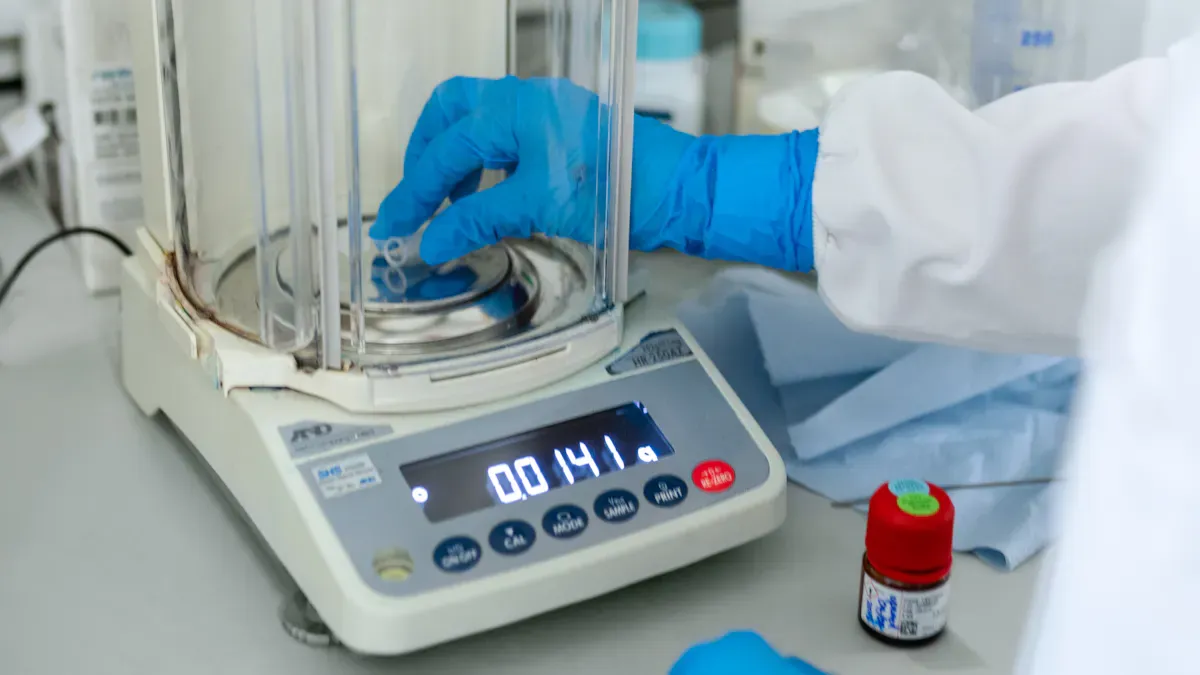
You should pick an electronic scale balance that fits your lab’s needs. It must also follow the rules for compliance. The right balance gives you correct results. It helps you get reliable data. Look at the table below to find which type works for your job:
Type of Balance | Common Applications |
|---|---|
Teaching experiments, quality control, daily weighing tasks | |
Analytical Balances | Pharmaceutical R&D, trace analysis, forensic testing |
Precision Balances | Food industry, batch sample screening |
Microbalances | Nanomaterials, semiconductor research |
Advanced features make your work easier. Simple operation helps you use it well. Strong performance lets you do your tasks better. WANT Balance Instrument Co., Ltd. is a top company. It has happy customers and a 4.8 rating.
Key Takeaways
Pick an electronic scale balance that matches your lab’s needs for accuracy and capacity.
Learn important words like accuracy, readability, and precision so you get correct measurements.
Find extra features like auto-calibration and digital displays to make the balance easier to use and help manage data.
Calibrate your balance often to keep it accurate and follow industry rules.
Think about your lab’s environment and your budget when choosing a balance to make sure it works well for a long time and saves money.
What Is an Electronic Scale Balance
Scales vs. Balances
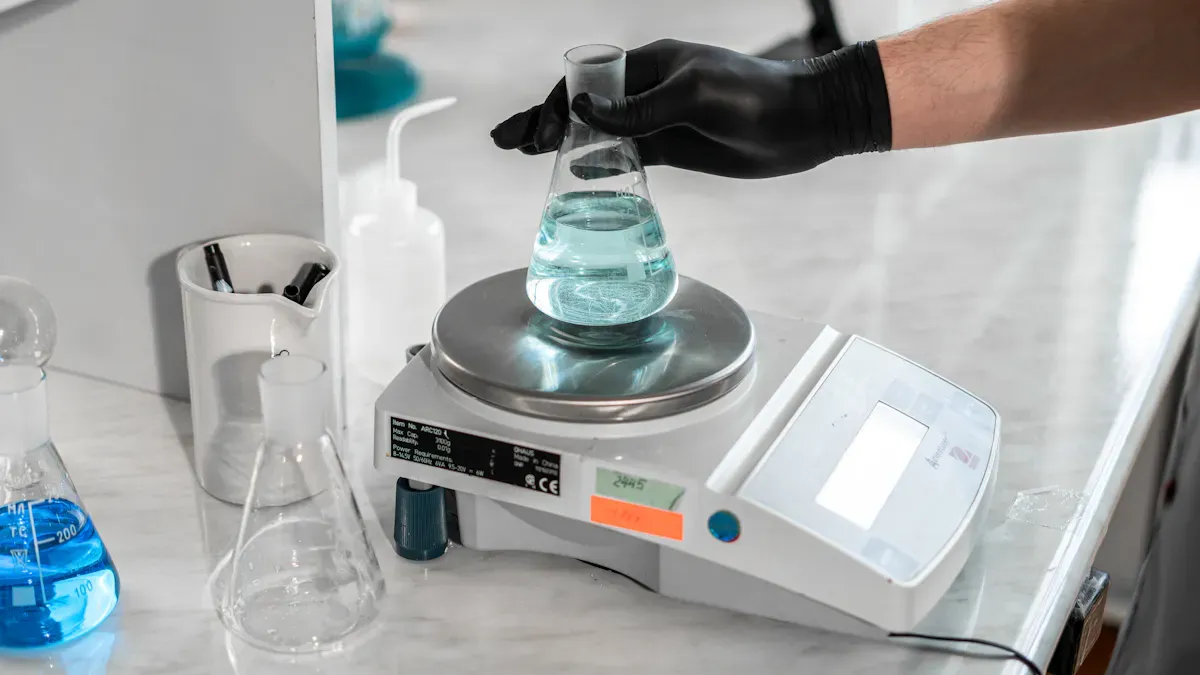
Scales and balances both measure weight. They do not work the same way. A scale checks gravity’s pull on something. A balance compares mass to a set standard. Labs need exact measurements. That is why people use an electronic scale balance. This tool gives quick and correct results.
Here is a table showing how mechanical balances and electronic scale balances are different:
Feature | Mechanical Balances | Electronic Balances |
|---|---|---|
Power Source | No electrical supply needed | Battery or AC powered |
Accuracy | Adequate | Good |
Operation Speed | Slow | Fast |
Weigh-Below Option | Limited | Yes |
Data Handling | Weight indication only | Advanced data collection |
Units of Measure | 1 or 2 | Up to 16 selectable units |
Electronic scale balances let you work faster. They help you collect more data. You can pick from many units. This makes your job easier. You also get features like auto-calibration and digital screens.
Key Terms: Accuracy, Readability, Precision
When picking an electronic scale balance, you need to know three main terms:
Accuracy: This shows how close your result is to the real value. Electronic scale balances are more accurate than analog scales.
Readability: This is the smallest value the balance can show. Some balances measure as small as 0.1 milligrams.
Precision: This means you get the same result every time you measure the same thing.
Here is a table that explains these terms:
Specification | Description |
|---|---|
Readability | The smallest step you can measure. Some models measure from mg to ng. |
Repeatability | Getting the same result under the same conditions. This is important for good results. |
Accuracy | How close your measured value is to the true mass. It also checks for mistakes. |
Tip: Always check the accuracy and readability of your electronic scale balance before using it. This helps you stop mistakes from bad handling or things in the room.
Digital scales are more accurate than analog scales. You can trust electronic scale balances for steady and correct measurements in your lab.
Choosing the Right Electronic Scale Balance
Capacity and Readability
Check the capacity and readability before you buy a balance. Capacity is the most weight you can measure. Readability is the smallest amount you can see. If the balance holds too much, you might not get good accuracy. If it holds too little, your biggest samples will not fit.
Here is a table that shows common standards for laboratory balances:
Type of Balance | Readability | Capacity |
|---|---|---|
Analytical Balance | 0.1 mg | Over 500 g |
Precision Balance | 0.01 g | Higher capacities available |
Bench Scale | 0.1 g | Often higher than precision |
Tip: Pick a balance where your heaviest sample is near the middle of the range. This helps you get better accuracy.
Platform Size and Units
Think about the platform size before you choose. The platform should fit your samples or containers. If it is too small, you might spill or get wrong results. If it is too big, it can take up too much space.
Many electronic scale balances let you pick different units. This helps you work with many types of samples. You can switch between grams, milligrams, ounces, or carats. This makes your work faster and helps you avoid mistakes.
Special Features and Functions
Modern electronic scale balances have many helpful features. These features help you work better and keep your results safe.
Here are some features you should look for:
Tare function: You can set the balance to zero after putting on a container.
Unit conversions: You can change units with one button.
Digital display: You see your results quickly and clearly.
Portability: You can move the balance to different places.
Internal calibration: The balance checks itself for accuracy.
Data collection: You can save and send your results to a computer.
Overload protection: The balance stops if you put on too much weight.
Elemental protection: The balance stays safe from dust and water.
Feature | Description |
|---|---|
Internal Calibration | The balance checks and fixes itself without outside weights. |
Data Collection | You can collect and send weight data for easy reports. |
Overload Protection | The balance stops if you put on too much weight, so it does not break. |
Elemental Protection | The balance stays safe from water and dirt, so it lasts longer and stays accurate. |
The Electronic Scale from WANT Balance Instrument Co., Ltd. has many of these features. You get a tare function, unit conversions, a clear digital display, and a strong design. You can use it in labs, kitchens, or factories. The easy-to-use interface helps you work fast and avoid mistakes.
You must also think about compliance. Many labs follow rules from groups like the FDA or GMP. These rules make sure your balance is safe and gives correct results. You need to check that your electronic scale balance meets these standards. This helps you pass audits and keep your lab running well.
Easy use and simple cleaning are important. You want a balance that is easy to clean and does not need much care. A good balance will have a strong body and a design that keeps dust out. This means you spend less time fixing problems and more time getting results.
Note: Electronic scale balances with digital displays and unit conversions give you high accuracy, easy use, and better data management. They also adjust for changes in temperature and humidity, so your results stay steady.
Matching to Laboratory Needs
Application Requirements
You need to pick a balance that fits your lab jobs. Every lab has its own needs. Some labs need very accurate results for chemical tests. Other labs need to weigh bigger things. You should think about the most important points before you buy:
Factor | Description |
|---|---|
Capacity | The most weight the scale can hold. Pick carefully so you do not lose accuracy. |
Accuracy | How close the scale’s number is to the real weight. This is very important for good results. |
Readability | The smallest amount the scale can show. This changes how exact your numbers are. |
Platform Size | The size of the place where you put things to weigh. Make sure it fits your items. |
Weighing Units | The scale can show weight in different units. This helps you use it for many jobs. |
Pharmaceutical labs need high accuracy and small steps. Food labs need bigger platforms and more weight. Pick an electronic scale balance that matches your daily work. This helps you get good results and keeps your work easy.
Tip: Write down your main lab jobs. Match each job to the features you need in a balance.
Environmental Factors
Your lab’s air and temperature can change how your balance works. Temperature and humidity can make electronic scale balances less accurate. Even small changes can cause mistakes. You need to keep your lab steady for good results.
Environmental Factor | Impact on Balance Performance |
|---|---|
Temperature | Very hot or cold can hurt the balance’s parts. |
Humidity | Wet air can damage wires and load cells. |
Air Currents | Moving air can shake the balance and change the numbers. |
Put your balance in a place with even temperature and dry air. Stay away from windy spots or sunlight. If your lab changes a lot, pick a balance with elemental protection. This keeps your balance safe and your results right.
Note: A steady lab helps your balance last longer and keeps your numbers correct.
Budget and Cost of Ownership
You need to think about money when you buy a balance. The price is not the only thing to pay for. You also need to pay for calibration, fixing, and lost time. These costs add up over the years.
Cost Component | Estimated Cost Range |
|---|---|
Calibration | $100 to $300 each time |
Maintenance and Repairs | Costs more for cheap models |
Downtime | Can cause big money loss |
Many labs have less money to spend. You may need to pick only the most needed features. Small labs often have trouble with high prices and extra costs. The price of a balance depends on how accurate and special it is. You should know these things to match your needs to your money.
Money problems can mean less to spend.
Labs often buy simple models to save money.
High prices and fixing costs can be hard.
Regular calibration keeps your balance right but costs more.
Calibration is important for good results over time. Regular calibration makes your numbers better, helps you find problems early, and keeps your balance working longer.
Key Benefits of Regular Calibration | Description |
|---|---|
Measurement Accuracy Improvements | Fixes problems from old parts and changes in the lab |
Risk Mitigation | Finds problems before they get worse |
Extended Equipment Life | Keeps your balance working longer with checkups |
Improved Process Control | Gives you more data to make your work better |
Documentation and Traceability | Helps you follow rules and keep good records |
Plan for calibration and fixing when you set your budget. This helps you avoid surprises and keeps your lab working well.
Tip: Pick a balance that is easy to calibrate and has good help. This saves money and keeps your lab running well.
Maintaining Accuracy and Compliance
Calibration and Care
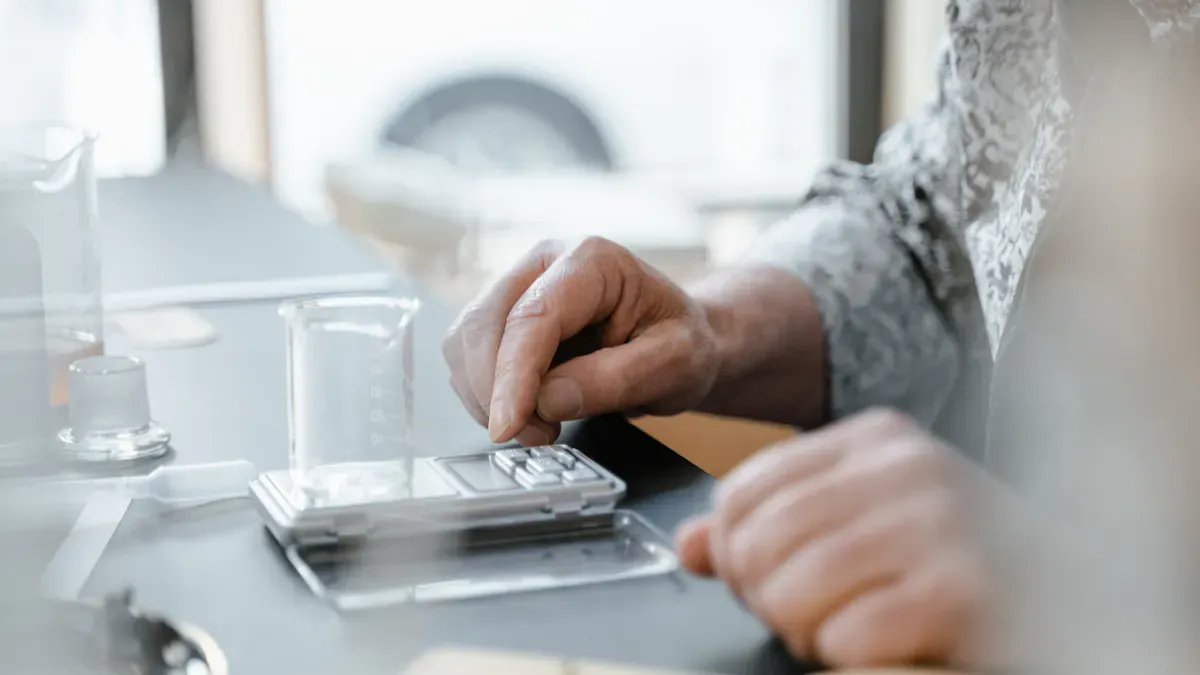
You need to keep your electronic scale balance working right. Calibrating it often helps you trust your numbers. Make a plan for calibration based on how much you use the balance and your lab’s conditions. If you use your scale every day, check it every week. If you use it less, check it once a month. Quality systems like ISO 9001 want you to write down how often you calibrate. You choose the schedule by thinking about risk and how much you use it.
Tip: Write down each time you calibrate. This record helps you show you follow the rules and spot problems early.
Here are some good ways to take care of your balance:
Keep your lab at the same temperature. This stops wrong readings.
Put your balance on a flat, steady table.
Make sure other machines do not mess with your balance.
Calibrate your balance a lot.
Best Practice | Description |
|---|---|
Calibration | Calibrating often keeps your balance right and meets the rules. |
Environmental Care | Keep the lab between 18°C and 30°C. Use a flat, steady table. |
Operating Procedures | Make clear rules for using and checking the balance. |
Clean your balance often and keep dust away to protect it. Doing these things helps your balance last longer.
Meeting Standards
You have to follow strict rules in your lab. Electronic scale balances must meet rules from groups like USP and GMP. These rules help you get good results and pass checks.
Standard | Description |
|---|---|
USP Chapter <41> | Tells you how to calibrate and what is okay for weighing. |
USP Chapter <1251> | Gives more rules for analytical balances. |
Use risk-based calibration. This means you check your balance more if it is very important for your work. You must write down measurement uncertainty in every calibration paper. If you move or fix your balance, check it again right away.
Key Change | Description |
|---|---|
Risk-Based Calibration | Set how often you calibrate by how important the balance is. |
Measurement Uncertainty | Write down uncertainty in all calibration papers. |
Event-Based Recalibration | Calibrate after moving or fixing the balance. |
Lifecycle Management | Take care of your balance from picking it to checking how it works. |
Note: You can follow the rules better by using Standard Operating Procedures and keeping good records. This helps you stop mistakes and keeps your lab safe.
You can pick the right electronic scale balance by doing a few simple things: First, think about what your lab needs for calibration and accuracy. Next, check that your balance follows all the rules and standards. Then, look for features that keep your data safe and correct.
Changing from old triple beam balances to digital balances shows how new technology gives better precision and smart tools. Companies like WANT Balance Instrument Co., Ltd. make good choices for your lab.
Pick carefully so your lab can do well.
FAQ
What is the difference between accuracy and precision?
Accuracy tells you how close your answer is to the real number. Precision means you get the same answer each time you measure. Both are important for trusting your results.
How often should you calibrate your electronic scale balance?
If you use your balance every day, calibrate it once a week. If you use it less, check it once a month. Calibrating often helps keep your results right.
Can you use the same balance for all lab tasks?
You should not use one balance for every lab job. Some jobs need more accuracy than others. Analytical work needs high accuracy. Regular weighing does not need as much precision.
What features make an electronic scale balance easy to use?
Find a balance with a bright digital screen and easy buttons. Unit conversion makes switching units simple. The tare function lets you zero the scale fast. These features help you work faster.
How do you keep your balance working well?
Keep your balance clean and dry. Put it on a flat table. Stay away from wind and water. Calibrate it often. Taking care of your balance helps it last longer.
Recent News
1.How Useful Is An Electronic Balance Scale?
2022-05-302.Four Elements Of Using Electronic Balance
2022-05-303.How to calibrate the balance after returning to work
2022-06-204.Lab digital balance common fault analysis and solutions
2022-07-135.How to use digital electronic balance correctly
2022-07-206.Digital Balance Lab calibration and what is the difference
2022-09-227.The precision of micro analytical balance is affected by the physical factors of the environment and sample
2022-09-158.How to adjust the horizontal bubble of Laboratory Electronic Balance
2022-09-089.Four performance metrics for Laboratory Electronic Balance
2022-08-17