




Pros and Cons of Electronic Scale Balance
 Aug 05, 2026|
 View:406
An electronic scale balance measures an object's mass digitally. You get fast accuracy and auto math. You also get easy data links for lab work. Modern digital balances give great readability down to 0.001g. You can do quick inventory work with piece counting. But you do face real trade-offs. These tools need continuous electrical power. Air drafts and physical vibrations easily disturb their sensors. Your success relies heavily on stable power. You also need routine calibrations. You must manage these external factors very carefully. This helps you maintain precise measurement results.
Key Takeaways
Electronic scales are very exact. They weigh down to 0.001 grams. Their digital screens are clear.
Built-in software counts items fast. It speeds up your inventory work.
Wind moves. Tables shake. Power drops. These things mess up sensitive electronic scale sensors.
Check it inside daily. Calibrate it every year. This keeps measurements accurate over time.
Match scale limits to your room. This gives you the best scale performance.
Pros of an Electronic Scale Balance
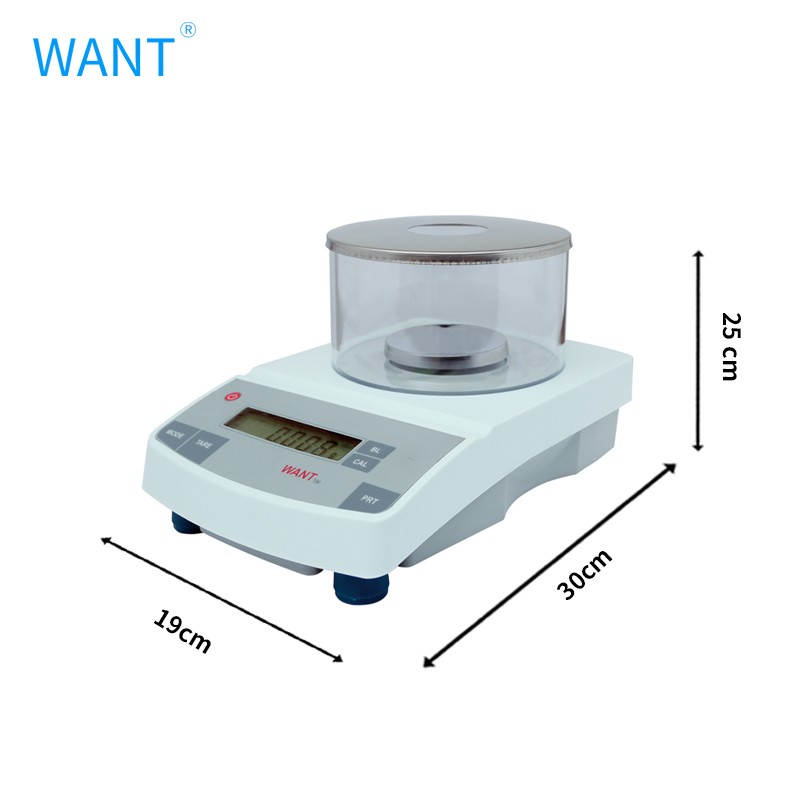
Modern digital balances bring powerful advantages to your daily lab or industrial tasks. You achieve fast measurements with exceptional reliability. These devices eliminate slow manual steps and protect your scientific records from operator errors.
Exceptional Precision and Readability
You get incredible accuracy when you use an electronic scale balance for sensitive tasks. Advanced internal sensors sit inside a stable 130 aluminum frame. This rigid design ensures exact mass measurements every single time. Modern precision balances offer high readability down to 0.001g (1mg). You can trust these delicate readings because built-in windshields block unwanted air currents. Strong stainless-steel double-sided pans rest over durable ABS bases to provide long-lasting stability. You also gain a clear operational edge when you compare digital scales to old mechanical models.
Technical Feature | Electronic / Digital Scale | Traditional Mechanical Scale |
|---|---|---|
Accuracy & Precision | High precision down to grams or fractions of grams using electronic load cell technology | Lower precision; depends on mechanical spring tension which degrades over time |
Measurement Speed | Delivers instant digital readings | Slower process due to physical needle stabilization |
Readability | Direct output on a digital screen, preventing user misreadings | Requires manual reading off an analog dial, subject to visual and angle errors |
Durability & Wear | Minimal mechanical wear due to significantly fewer moving components | Higher maintenance needs; prone to accuracy loss from spring fatigue and part wear |
Smart Capabilities | Includes advanced options like tare, piece counting, data storage, and wireless transfer | Restricted solely to simple, basic weight measurement |
Digital hardware removes fragile mechanical assemblies like pivots, bearings, levers, and linkages. You avoid friction errors caused by dust or mechanical bending.
Automated Features and Counting
An electronic scale balance helps you process inventory quickly with automated mathematical features. You can clear package weights instantly using the simple tare operation. Built-in processors calculate item quantities automatically without manual math. You use a straightforward three-step process to run the piece-counting function:
Sample Weighting: An operator places a sample batch on the scale to establish an Average Piece Weight (APW).
Weight Conversion: The system weighs the entire bulk quantity.
Automated Calculation: The algorithm divides the bulk weight by the APW to compute the exact item count instantly, removing human estimation and miscounts.
You save significant physical labor because the system replaces manual counting. Internal memory stores established reference weights for future inventory batches. You avoid mental fatigue and keep your inventory data accurate.
Clear Displays and Connectivity
You can read measurement values easily under different lighting conditions. Manufacturers offer dual display options using clear LCD or bright LED screens. These bright digital outputs remove visual angle errors completely.
You also get flexible power choices for ultimate workplace portability. You can run your scale using standard AC power at your fixed workstation. You can switch to standard or rechargeable batteries when you move between field sites or lab benches. Protective plastic trays shield the housing from accidental chemical spills. International quality standards like ISO9001:2008, CE, RoHS, C-Tick, and SGS confirm overall device safety. Direct data outputs allow seamless connection to local computers or cloud storage networks. You monitor operations remotely while maintaining full confidence in your digital sample records.
Cons of Electronic Weighing Devices
Electronic scales give fast answers. They bring hard challenges too. Manage power well today. Protect small sensor parts carefully. Do simple maintenance often. Keep every reading exact.
Power and Battery Reliance
Digital tools need full power. Big power surges ruin balance. Sensor signals shift fast. Voltage drops hurt total output. A 10V sensor drops fast. It falls at 5V. Unstable power ruins straight lines. Drift stops good steady readings.
Environmental Sensitivity
Small internal parts hate heat. Protect tools from bad rooms. Stop total tool failure now.
Failure Category | Specific Operational Causes | Impact on Weighing System |
|---|---|---|
Overloading | Heavy loads bend thin metal parts | Strain gauges bend fast. Parts stretch out. Signals drift badly. Devices break down. |
Environmental Exposure | Hot air, fine sand, and wet fog | Seals crack quickly. Parts rust fast. Short circuits happen. Readings drift away. |
Cable & Connector Damage | Sharp cuts, heavy trucks, and hungry pests | Signals drop out. Batching goes wrong. Invisible drift grows. |
Electrical Surges & Lightning | Direct strikes, bad wires, and quick spikes | Chips burn out. Calibrations ruin fast. Gauge parts break. |
Vibration & Cyclic Stress | Heavy motors, long belts, and big mixers | Metal gets tired. Lines shift out. Scale precision drops. |
Installation & Mounting Defects | Uneven floors and bad loose legs | Frames break down. Weights show wrong numbers. |
Chemical & Washdown Hazards | Strong acids and fast hose water | Boards short out. Bases rust fast. Gaskets snap completely. |
Maintenance & Calibration Neglect | Skipped visits and rare test checks | Silent errors grow. Bad numbers build up. |
Set scales on flat desks. Keep scales away from shaking. Avoid all structural damage.
Calibration and Maintenance Needs
Keep tight check schedules. Ensure long scale truth. Recalibrate every few months.
Calibration Type | Frequency | Operational Context / Purpose |
|---|---|---|
Every day before big jobs | Check scale precision. Fix room shifts. Adjust new spots. | |
External Calibration | Once every single year | Techs fix errors. Rules stay true. Long drifts vanish. |
Compare real gear prices carefully:
Internal Automatic Calibration: Pay much more upfront. Save huge labor cash. Avoid buying heavy weights.
External Weight Calibration: Pay less cash today. Buy costly test weights. Pay high labor costs.
Skipping scale checks hurts accuracy. Unseen errors grow big fast.
Evaluating an Electronic Scale Balance
Operating Environment Demands
You must check your lab space carefully before buying tools. Air vents disturb tiny balance sensors. Machine shaking hurts clear digital readings. Room heat changes metal parts inside the scale.
Air water impacts your readings. Samples pull water right from the room air. This extra water changes the true weight fast. It gives jumpy numbers. This is not a scale error. You need glass doors to stop air flow.
Required Accuracy vs Capacity
You must match your needs to the scale features. Picking the right scale needs a balance of limit and readability.
Add up full weight and container limits. Avoid scale damage.
Pick accuracy levels that fit your needs. Skip tiny details to save cash and cut sensitivity.
Pick fine details for small items. Pick high capacity for large items.
You can review scale limits across basic lab types:
Balance Type | Maximum Capacity Range |
|---|---|
Semi-Micro Balances | Up to 220 g |
52 g to 320 g | |
Precision/Portable Balances (Scout & Navigator) | 120 g to 22 kg |
Maintenance and Compliance Costs
You must plan for total scale costs over time. Regular scale checks keep your numbers exact. You need official test weights to check scales daily.
Your shop must check safety rules. Badges like ISO, CE, and RoHS show quality. You stop big loss by paying for fixes early. A balance gives top value with good daily care.
An electronic scale balance gives you great digital accuracy. It works fast with automatic math features. However, you must protect these delicate instruments carefully. Keep them safe from air drafts and vibration. Protect them from bad electrical power too. Smart scale designs solve these common daily lab challenges. Built-in windshields block room air currents very well. Flexible battery options keep your tests running smoothly. This helps during sudden power outages.
Use this quick checklist to select your balance model:
Check room air drafts and table stability.
Pick your needed weight capacity and accuracy.
Look for safety marks like CE or ISO.
This easy process helps you get exact measurements. You gain accurate results across all lab uses.
FAQ
What readability can you expect from a digital precision balance?
New digital scales read tiny weights down to 0.001g. Strong metal frames shield the sensitive inner parts. This design helps you get steady numbers every time. You can weigh tiny chemicals or gold without fear.
How do integrated windshields improve your weighing results?
Blowing air in your room shakes sensitive balance parts. Built-in glass shields block this room air completely. They keep the air around the pan totally still. You get fast, steady numbers on the screen.
How often should you calibrate your electronic scale balance?
Test your scale inside every day before big jobs. Have a pro check it yearly with real weights. These simple steps fix small drift errors over time. They keep your scale right and match key rules.
Can you operate an electronic balance without main AC power?
Yes, many digital scale models work without wall plugs. Flexible power setups let you use fresh batteries instead. You can keep working through sudden power outages easily. This feature also helps you work outdoors.



Recent News
1.0.1 mg electronic balance weighing procedures and methods of use
2022-06-302.Lab digital balance common fault analysis and solutions
2022-07-133.Top 10 Digital Balance Manufacturers in China 2026
2026-06-044.What is Electromagnetic Balance and How Does It Work
2026-06-125.Top 10 Electronic Balance Suppliers 2026
2026-06-176.How to Choose a High-Capacity Digital Analytical Balance for Industrial Labs
2026-07-037.Why Laboratories Choose the 0.1g Electronic Balance for Precision Weighing in 2026
2026-07-098.Top 10 Electronic Balance Manufacturers in China 2027
2026-07-169.Choosing the Best Electronic Scale for Laboratory Inventory and Parts Counting
2026-07-30