




What is a digital analytical balance and how does it work
 May 28, 2026|
 View:654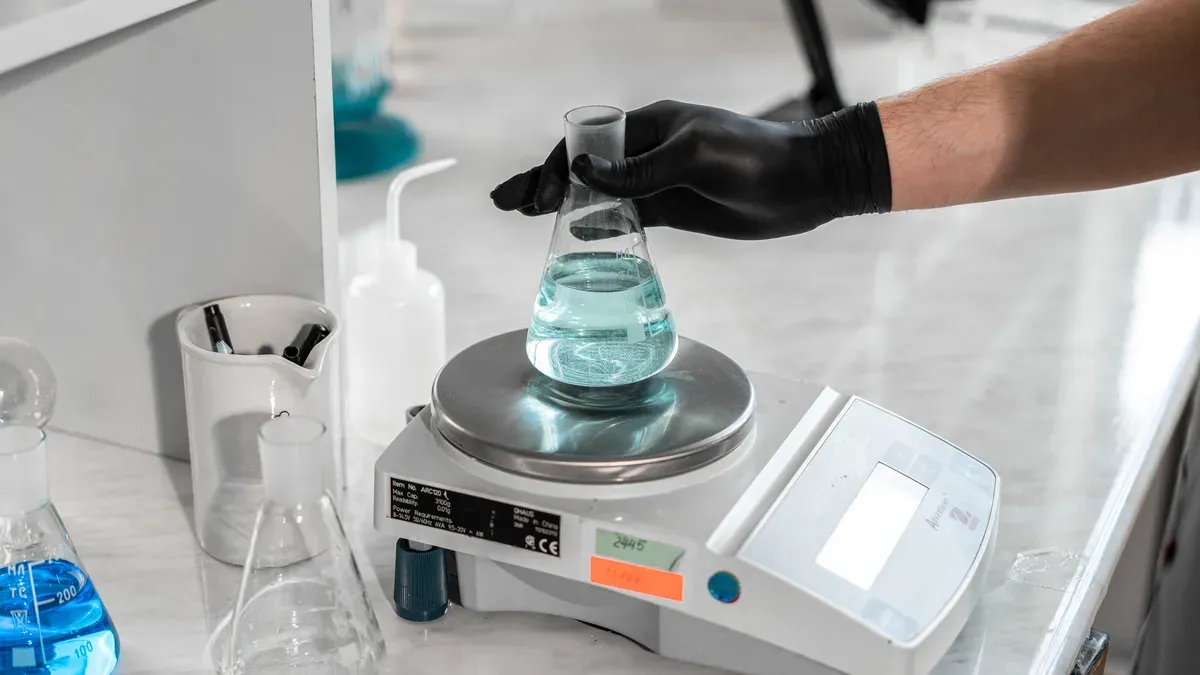
A digital analytical balance lets you measure the mass of things very accurately. You can use it to weigh solids, liquids, powders, or small grains. This tool is important in labs and places that check quality because you need exact results. A digital analytical balance gives you steady and correct measurements. When you use a digital analytical balance, you can believe the numbers you get. Many scientists and workers use a digital analytical balance to help with their jobs.
Key Takeaways
Digital analytical balances measure mass very accurately. This is important for labs and quality checks. These balances use electromagnetic force and strain gauges to measure exactly. Important features are readability, capacity, calibration, and draft shields. These help keep results steady. You need to calibrate often and keep the area stable. This makes sure measurements are correct and reliable. People use digital balances in labs, industries, and schools. They help get exact and steady results.
Digital Analytical Balance Overview
Definition and Purpose
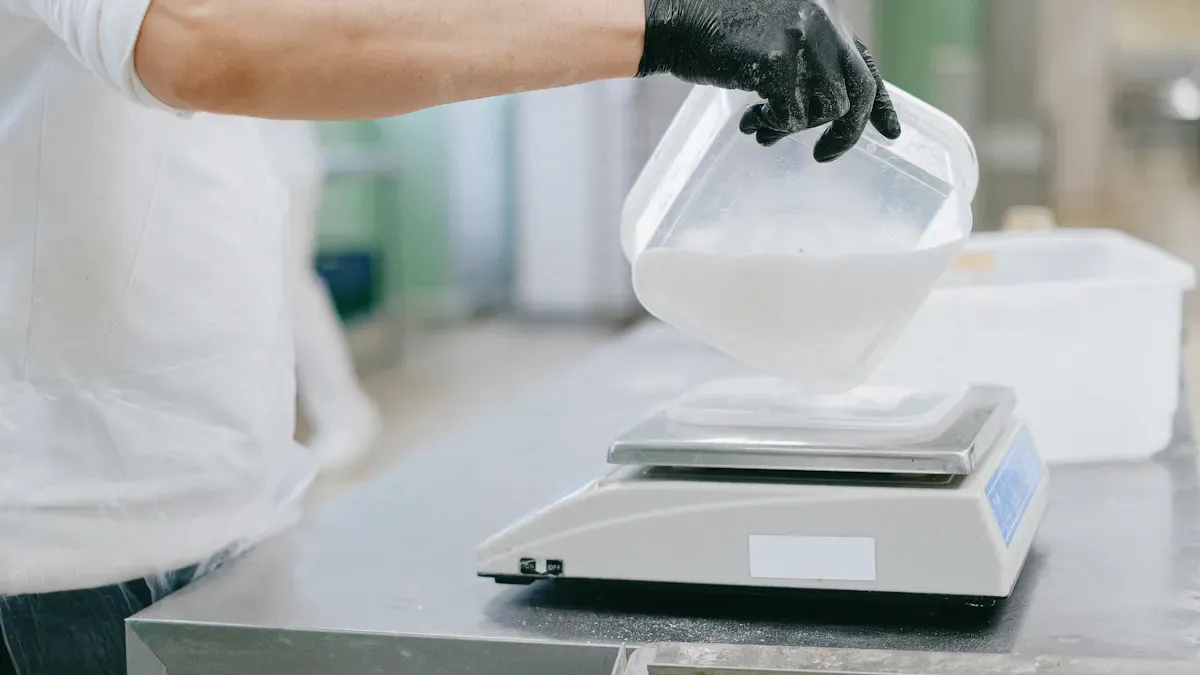
A digital balance helps you measure tiny amounts. It is very accurate. Analytical balances can measure down to a small part of a milligram. These balances are used in labs, schools, and factories. Even a small mistake can change an experiment or product.
WANT Balance Instrument Co., Ltd. is a top company for weighing tools. They have a skilled team for research and development. They also have important certificates. Their products are sold all over the world. Here is what makes WANT Balance special:
Evidence Type | Details |
|---|---|
R&D Personnel | The company has 15 senior R&D experts. |
Certifications | They have ISO9001, CE, RoHS, C-Tick certificates, and import/export rights. |
Global Reach | Products go to more than 100 countries and regions. |
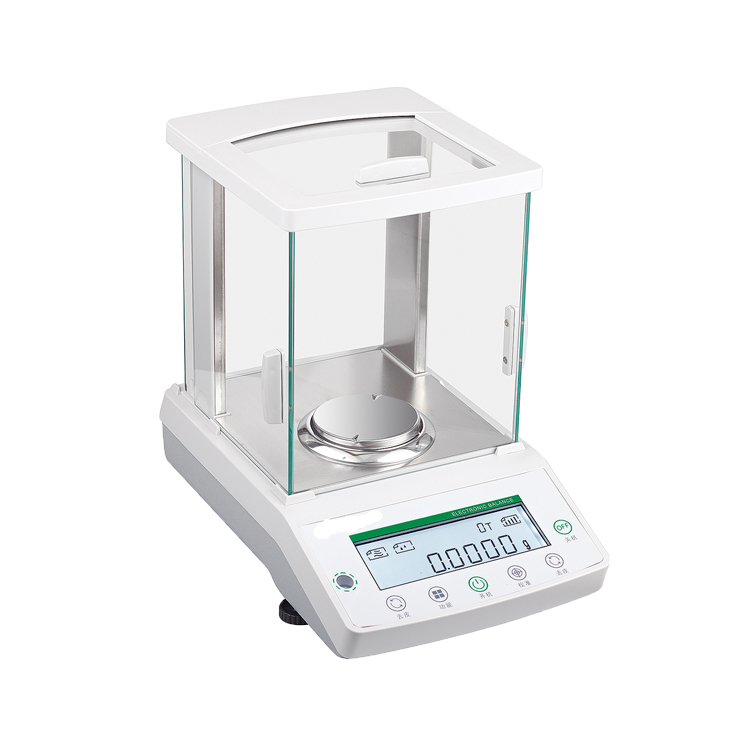
The 0.1mg Analytical Balance from WANT Balance is advanced. It can measure samples as light as 0.1 milligrams. This is great for science labs and checking quality.
Comparison with Other Balances
You may ask how analytical balances are different from other balances. Regular balances, like top-loading or mechanical ones, are not as accurate. Analytical balances give much finer measurements. This is important for chemical tests or making medicine.
When picking a balance for your lab, look for these features:
Readability: Shows tiny changes in weight.
Capacity: Holds the amount you need to measure.
Calibration: Keeps results correct over time.
Draft Shield: Stops air from moving the weighing pan.
Extra Features: Has tare, unit conversion, and easy controls.
Analytical balances help you trust your results. Many professionals use them for important work.
Electronic Balance Components
Main Parts and Features
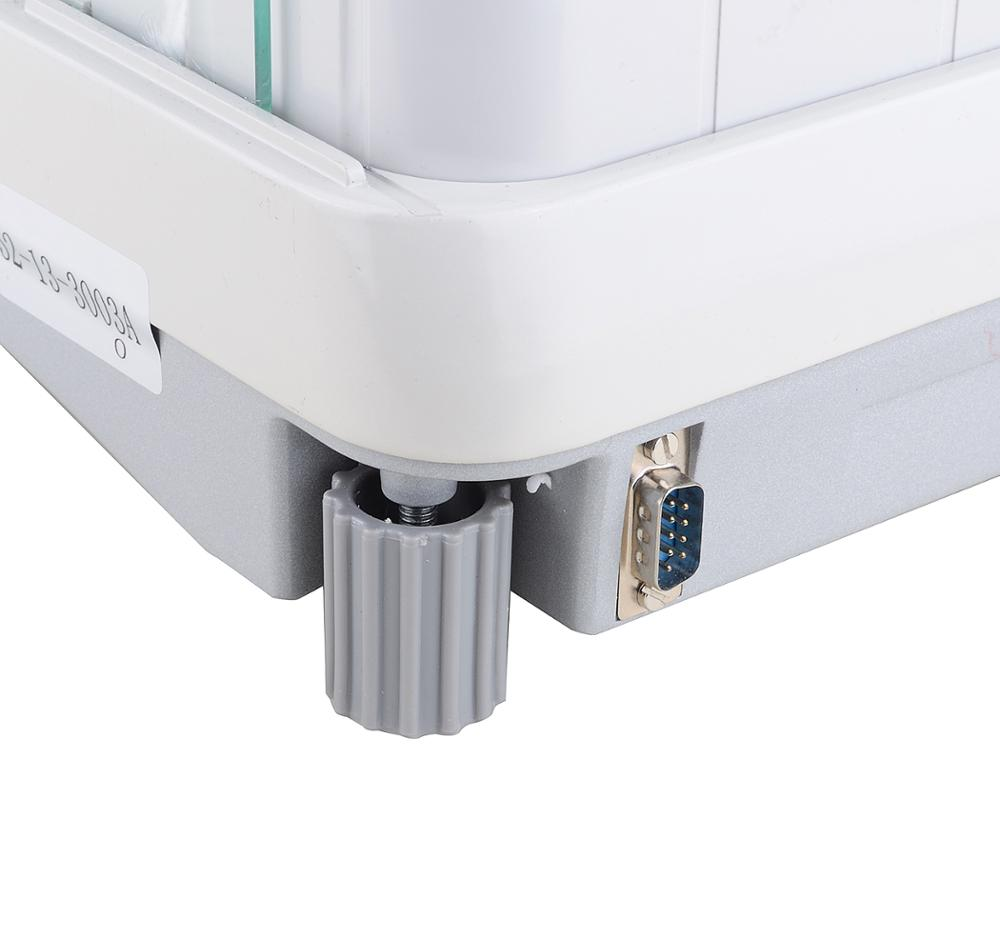
When you use an electronic balance, you work with several key parts. Each part helps you get correct results. Here is a table that lists the main parts and what they do:
Component Type | Function |
|---|---|
Electromagnetic balancing type | Uses electromagnetic force to measure the weight on the pan. |
Electrical resistance wire | Measures changes in resistance when you place something on the pan. |
Tare function | Lets you set the balance to zero, so you only measure your sample. |
Draft shields | Protects the pan from air movement, making results more stable. |
Anti-vibration tables | Reduces shaking, so your measurements stay reliable. |
An electronic balance does not measure mass right away. It measures the force on the pan and shows a number you can read. The balance is built strong to stay steady. Good materials and anti-vibration systems stop outside movement. This helps you get results you can trust every time.
WANT Balance Instrument Co., Ltd. makes balances that follow ISO, CE, and RoHS rules. These rules help your balance work well and last longer. You can ask for special features with OEM or ODM customization.
Digital Display and Controls
The digital display on an electronic balance shows clear numbers fast. You do not have to guess or wait for results. The touch screen lets you change settings or pick units easily. You can save your data and look at it later. Even if you are new, the controls are simple to use.
Tip: Always check the display for a steady number before you write down your result.
Easy controls mean you spend less time learning and more time working. You can trust the numbers because the display updates quickly and shows small changes.
Internal Calibration System
The internal calibration system keeps your electronic balance correct. It uses built-in weights to adjust itself. You do not need to do much. The balance checks and fixes itself, even if the room gets warmer or cooler. This feature helps you get the same results every time.
If you use your electronic balance a lot, regular calibration is important. Many balances let you set automatic calibration. This saves time and keeps your work reliable.
How Do Digital Balances Work
Weighing Process
Digital analytical balances help you measure mass very exactly. First, you need to plan what you will do. You get all your tools ready. Make sure your containers are clean and dry. You also prepare your sample. The sample should be the same temperature as the balance. This stops mistakes from temperature changes.
Then, you check the balance before using it. Look around to see if the area is good for weighing. Make sure the balance is calibrated. Check that nothing is wrong with the balance. Pick how many decimal places you need. Do not put too much weight on the balance.
Here are the steps you follow when you weigh something:
Get your tools and sample ready.
Check the balance and the room.
Weigh your sample and write down the number.
Tip: Let your sample sit in the balance room before you weigh it. This helps the sample match the balance’s temperature.
Technology Behind Precision
Digital analytical balances use special technology to be very exact. Many balances have strain gauge technology inside. Strain gauges notice small changes when you put something on the balance. The strain gauge’s resistance changes. The balance turns this into a number you can read.
Electronic sensors work with strain gauges to make results better. These sensors help the balance give fast and correct numbers. You get clear results quickly. You can trust the balance to be exact.
If you want to know how digital balances work, remember this. Strain gauges and sensors work together. This makes the balance a strong tool. You get the right measurement every time.
Factors Affecting Accuracy
Many things can change how well a digital analytical balance works. You need to watch your room and how you use the balance. Here is a table that shows what can affect your results:
Factor | Description |
|---|---|
Temperature and Humidity | Changes in air and water in the air can cause mistakes. |
Sample Transfer | Losing some of your sample can make the result wrong. |
Operator Consistency | Different ways of handling can make numbers change. |
Magnetic Interference | Magnetic fields from outside can mess up the balance. |
Level Surface Requirements | If the balance is not level, it can give wrong numbers. |
Electrical Grounding | Small electric problems can make the numbers jump. |
Use of Weighing Containers | The kind of container you use can change the result. |
Vibration Interference | Shaking from the room can cause mistakes, especially in sensitive balances. |
Air Currents | Wind from vents or windows can move the balance parts. |
User Error | Not knowing how to use the balance can cause mistakes. |
You also need to think about the room. Temperature and humidity can change how things act. Materials can get bigger or smaller. Electronic parts can be more sensitive. Air can get thicker or thinner. These things can make your results wrong.
Note: You can stop mistakes by keeping the temperature steady, using tables that stop shaking, and putting balances away from wind. Calibrate often and learn how to use the balance the right way.
You use balances in many places. Always check your room and follow good steps. This helps you get the best results.
Applications and Benefits
Laboratory and Industrial Uses
A digital analytical balance is used in many places. This tool helps you get very exact results at work. Here are some ways you might use it:
You can figure out recipes and formulas.
You can get samples ready for tests.
You can check weights at different times.
You can weigh animals for science.
You can test and set pipettes.
You can find out how dense something is.
You can see small weight changes.
You can count pieces for supplies.
Many jobs use digital analytical balances:
In textiles, you check fabric samples and quality.
In food, you weigh parts, check nutrition, and keep food safe.
In medicine, you weigh drug parts and follow safety rules.
In schools, you teach students to use lab tools and do research.
You also see these balances in drug labs, chemical tests, environmental checks, and material science. They help you do your work right and get the same results each time.
Tip: Using a digital analytical balance helps you follow rules and get results people trust in your job.
Advantages of Digital Analytical Balances
Digital analytical balances have many good points over old balances. Here are some main advantages in the table below:
Advantage | Description |
|---|---|
Accuracy | You get better accuracy and more exact numbers than with old balances. |
Convenience | You can set up and use the balance fast with one button. |
Data Management | You can save and move data quickly with built-in memory and links. |
Enhanced Weighing Capabilities | You can do hard jobs like weighing things that move and checking density. |
Safety Features | You stay safe with overload stops and a design that is easy to use. |
Portability | You can carry the balance easily for work in different places. |
If you pick balances from WANT Balance Instrument Co., Ltd., you get strong help from the company. You can ask for help any time and get support from far away if you need it. This help keeps your work going well and fixes problems fast.
You should use a digital analytical balance for very exact lab work. These balances use special technology to give quick and steady results. The sensors inside help keep your numbers correct every time. Automatic calibration checks the balance and keeps it working right. The WANT Balance 0.1mg Analytical Balance is easy to read and gets stable fast. Pick this balance if you want better results and to feel sure about your work.
FAQ
What is the difference between an analytical balance and a regular balance?
An analytical balance measures very tiny things. It is much more exact than a regular balance. Regular balances are for bigger things but are not as exact. Analytical balances are used in science and quality checks. They help you trust your results.
How do you keep a digital analytical balance accurate?
Calibrate your balance often to keep it correct. Clean it and use it in a room with steady temperature. Do not touch the pan with your hands. Always check for drafts or shaking before you weigh.
Can you use a digital analytical balance for liquids?
Yes, you can weigh liquids with this balance. Use a clean container and set the balance to zero first. Pour the liquid in and read the number. This way, you can measure even small amounts of liquid.
Why does the balance show different numbers sometimes?
Air moving in the room
Shaking or bumps
Changes in temperature
A dirty pan
These things can make the numbers change. Put your balance on a steady table and keep the room calm.
Recommended Products

Recent News
1.What is 0.0001g Analytical Balance?
2026-05-142.How Precision Balances and Analytical Balances Differ in Laboratory Settings
2026-04-303.What is an Electronic Scale Used for in Chemistry?
2026-04-104.Electronic Balance Manufacturers You Can Trust for Labs
2026-03-235.How to Select the 0.0001 mg Analytical Balance for Your Laboratory
2026-03-196.How to Choose the Right Electronic Scale Balance for Your Laboratory
2026-03-107.Top 7 Electronic Balance Suppliers for Laboratories in 2026
2026-02-268.Latest electronic analytical balance price trends for 2026
2026-02-12