




How Precision Balances and Analytical Balances Differ in Laboratory Settings
 Apr 30, 2026|
 View:652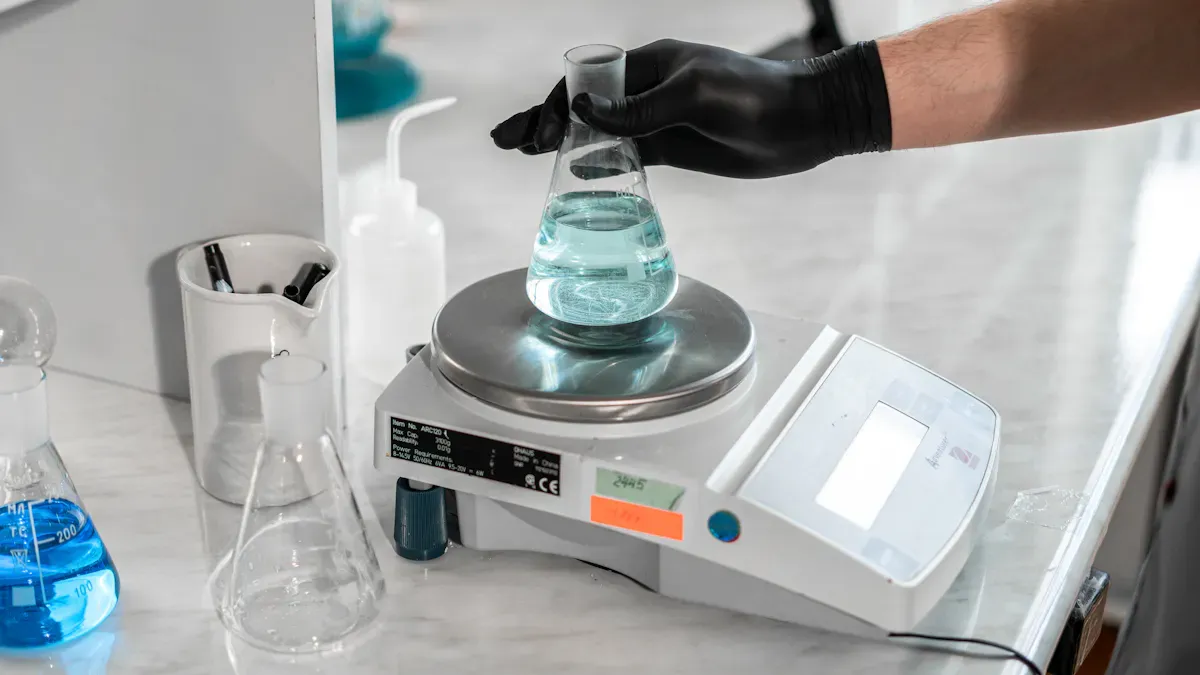
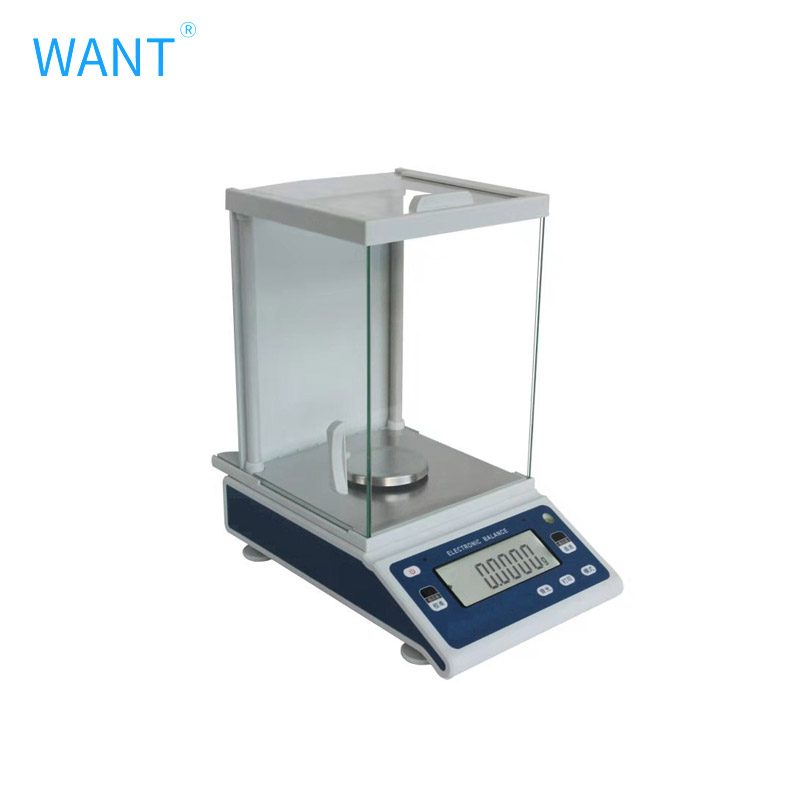
You can see a big difference between a precision balance vs analytical balance. Precision balances measure small weights very accurately, while Analytical Balances are even better for measuring tiny samples. Picking the right tool helps your results stay correct and also helps you work faster. There are many analytical balance brands available, and the WANT Balance Instrument Co., Ltd. 1mg Precision Balance is known for being reliable and having excellent features.
Key Takeaways
Precision balances are good for weighing big samples. Analytical balances are better for measuring tiny amounts very accurately.
Think about how big your sample is and how exact you need to be. Analytical balances work best for small samples. Precision balances are better for bigger things.
Both balances need to be checked often to stay accurate. Analytical balances must be checked more often to keep them working right.
Things like air and temperature can change how analytical balances work. Precision balances are not affected as much. Put your balance in a safe place for the best results.
Using good tools, like the WANT Balance 1mg Precision Balance, helps you get correct results. It also makes your lab work better.
Precision Balance vs Analytical Balance: Features
What Is a Precision Balance
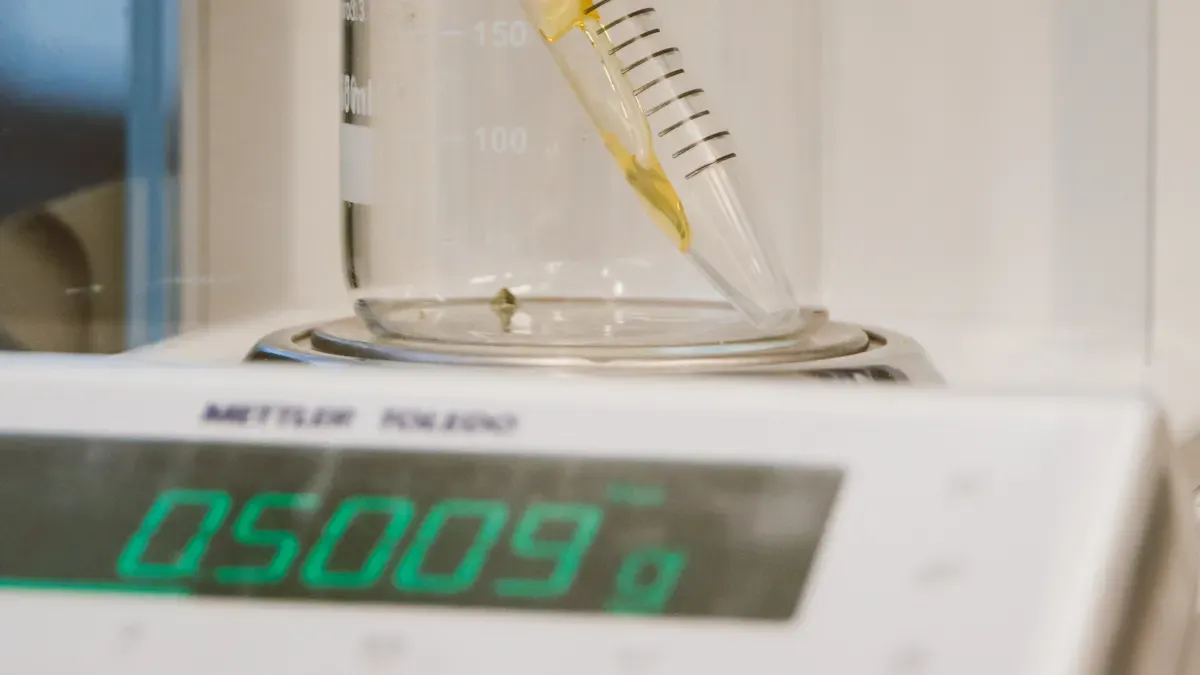
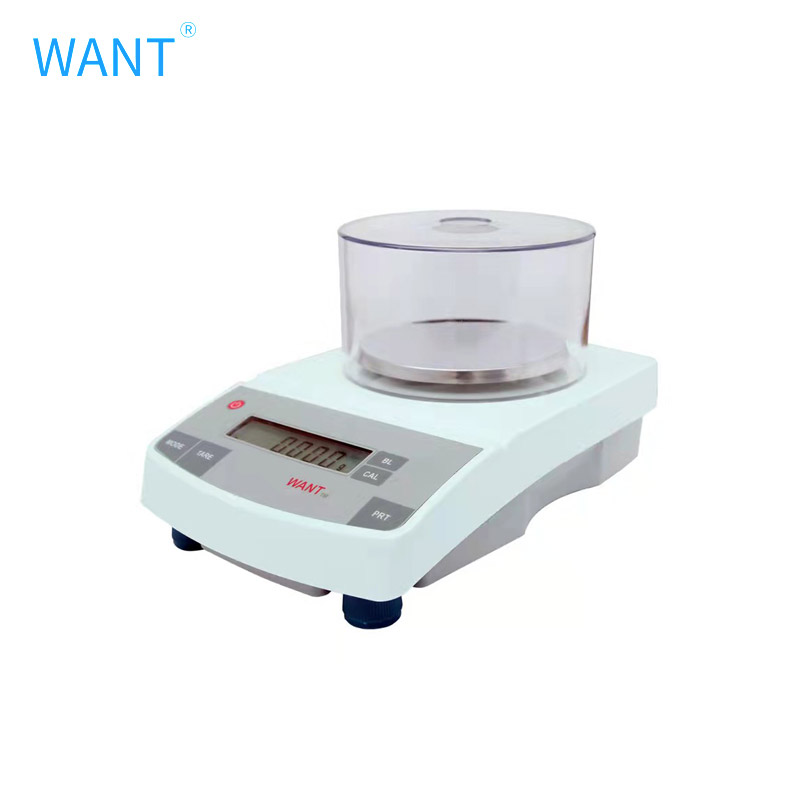
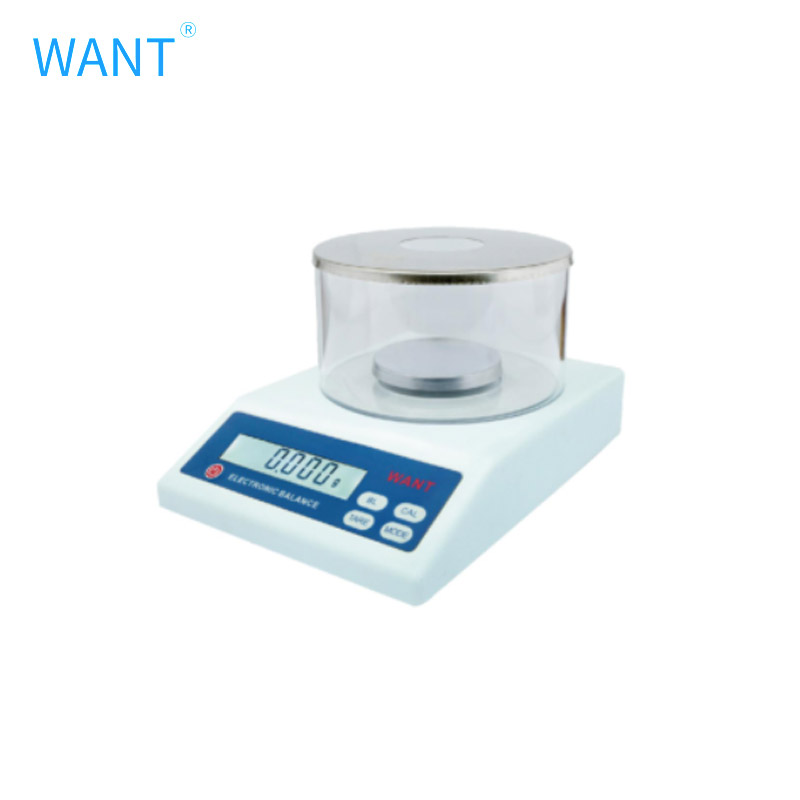
A precision balance helps you measure weight very accurately in the lab. It can show results as small as 1 milligram or 0.001 grams. Most precision balances can weigh bigger samples, sometimes up to 32 kilograms. You will see them in places like production labs, quality control, and research labs. Newer precision balances, such as the WANT Balance Instrument Co., Ltd. 1mg Precision Balance, are easy to use and connect to computers. This makes it simple to manage your data. Many have features like automatic calibration, different weighing units, and data logging.
What Is an Analytical Balance
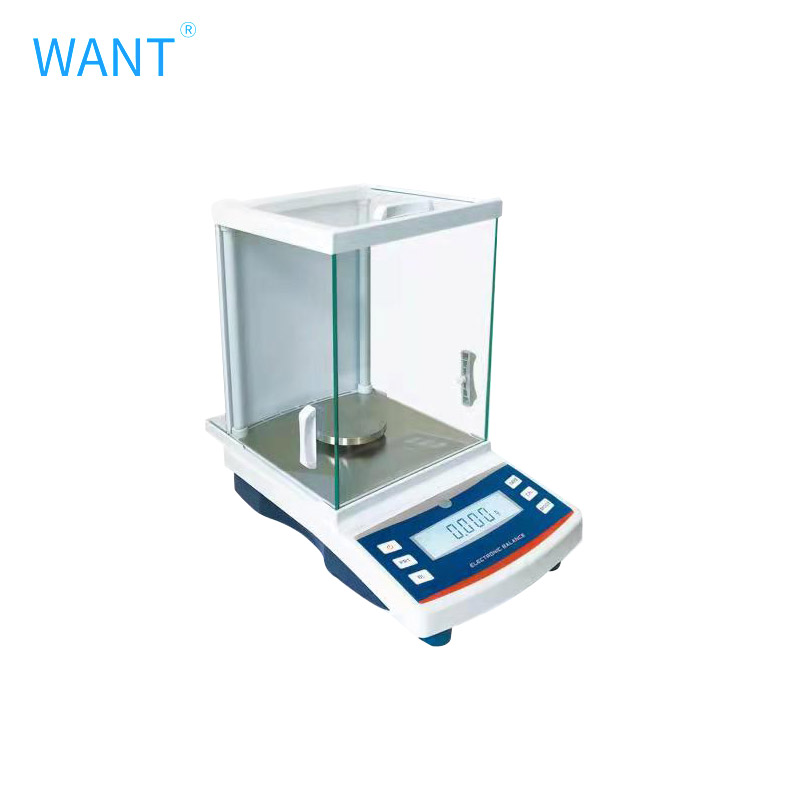
You use an analytical balance when you need even more exact measurements. Analytical balances can weigh very tiny samples, sometimes as little as 0.1 milligrams or 0.0001 grams. These balances have a draft shield that keeps air and vibrations away from the sample. You use them for jobs that need the most accuracy, like chemical analysis or making medicine. Analytical balances use special technology to be this sensitive.
Core Features Compared
You can see the biggest differences in this table:
Feature | Precision Balance | Analytical Balance |
|---|---|---|
Readability | 0.001 g to 1 g | 0.1 mg (0.0001 g) or better |
Capacity | Up to 32 kg | Lower capacity |
Construction | Strong, for daily use | Draft shield for protection |
Application | Production, QC, general lab work | High-accuracy lab tasks |
Sensitivity | 1 mg to 100 mg | 0.1 mg or better |
Tip: When you look at precision balance vs analytical balance, check readability and capacity first. This helps you choose the right tool for your job.
Modern precision balances are easy to use. They have touchscreen displays, many weighing units, and simple calibration. The WANT Balance Instrument Co., Ltd. 1mg Precision Balance is a good example of new technology. It gives you high accuracy, a strong build, and smart features. This makes your work easier and more trustworthy.
Now you know the main ideas about precision balance vs analytical balance. Each tool is important in the lab. You can pick the best one by thinking about your sample size, how accurate you need to be, and how you will use the balance.
Key Differences
Accuracy and Readability
It is important to know how well each balance measures small amounts. Analytical balances are the most accurate. They can show very tiny changes, as small as 0.0001 grams. Precision balances are also accurate, but not as much. They usually show changes as small as 0.001 grams or 0.01 grams. The table below shows the main differences:
Feature | Analytical Balance | Precision Balance |
|---|---|---|
Readability | 0.0001 g (0.1 mg) or finer | 0.001 g (1 mg) or 0.01 g |
Accuracy | Highest (microgram-level) | High (milligram-level) |
Analytical balances are best when you need the most exact measurements, like in science or medicine. Precision balances are good for most lab work where you need accuracy, but not the highest.
Capacity and Range
You should also think about how much weight each balance can hold. Analytical balances hold less weight. They are made for small samples. Precision balances can weigh bigger things, from a few grams up to many kilograms. Here is a quick look:
Type of Balance | Readability | Capacity Range |
|---|---|---|
Analytical Balance | 0.1 mg (0.0001 g) | Lower capacities |
Precision Balance | 0.001–0.1 g | A few grams up to tens of kg |
If you need to weigh large items, use a precision balance. If you work with tiny samples, pick an analytical balance.
Environmental Sensitivity
Analytical balances are very sensitive to their environment. Small changes in temperature, humidity, or air can change their results. They often have a draft shield to block air. Precision balances are less sensitive. They still work well even if the room is not perfect. Here are some things that can affect analytical balances:
Environmental Factor | Impact on Analytical Balances |
|---|---|
Temperature | Changes can affect calibration and accuracy |
Humidity | Can cause condensation and change weight readings |
Air Flow | Causes unstable readings |
Electrostatic Charges | Can pull or push samples, making results less accurate |
Vibrations | Even small shakes can change the numbers |
Electrical Supply | Power changes can affect performance |
Tip: Put your analytical balance in a quiet place away from doors and windows for the best results.
Calibration and Maintenance
You need to check your balances often to keep them working well. Analytical balances need to be calibrated more often. You should use special weights and follow strict rules, like ISO/IEC 17025. Precision balances do not need to be checked as much, but you should still follow the maker’s advice. Here is a summary:
Balance Type | Maintenance Frequency |
|---|---|
Analytical Balances | Require more frequent calibration |
Precision Balances | Require less frequent checks |
For calibration:
Check the balance with special reference weights.
Use weights that meet national or world standards.
Follow a schedule, like every week for analytical balances and every month for precision balances.
When you know these key differences, you can pick the right balance for your lab. This helps you get accurate results and keeps your work trustworthy.
Applications of Analytical and Precision Balances
Analytical Balances in the Lab
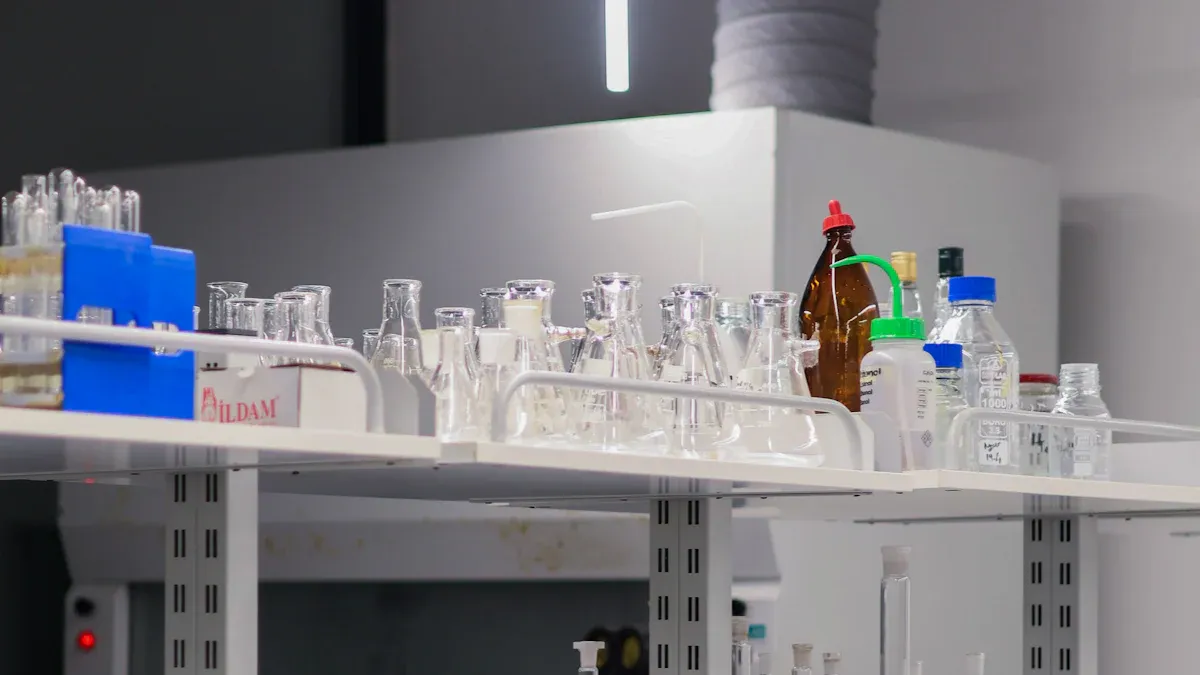
Analytical balances are used when you need very exact measurements. They help you weigh tiny amounts with great accuracy. In labs, you use them for many jobs:
Quantitative chemical analysis
Making reagents and standards
Weighing pharmaceutical ingredients for research and quality control
Food nutrition sample preparation
Environmental sample weighing
Academic research
Any task needing results to four decimal places in grams
Analytical balances are important in pharmaceutical research. They help measure active ingredients for drug development and make sure rules are followed. Labs use them for gravimetric analysis, pipette calibration, and checking purity of substances. You can trust analytical balances for jobs needing the highest accuracy.
Industry Use | Description |
|---|---|
Pharmaceutical | Makes sure drugs are made correctly and rules are followed |
Biotech | Helps research with exact sample measurements |
Food and Environment | Prepares samples for nutrition and pollution testing |
Note: Analytical balances are needed for any job where even a small mistake can change results.
Precision Balances in Practice
Precision balances give accurate measurements for bigger samples. You use them in labs and industries because they handle more weight and still give reliable results. Some common uses are:
Buffer and solution preparation
Weighing bulk reagents and raw materials
Production-scale formulation and batch checks
Teaching lab experiments
Industrial quality control where gram-level accuracy is enough
Taring containers before using more sensitive laboratory balances
Precision balances help keep product quality high and make sure results stay consistent. They are great for quality control testing, production monitoring, and formulation work. You use them for any job where the smallest amount you weigh is above the balance’s minimum weight.
Industry Examples
Both types of balances are found in many industries. Analytical balances are used in pharmaceutical and biotech labs. They help meet strict standards for drug safety and research. Precision balances are used in manufacturing, food processing, education, and chemical labs.
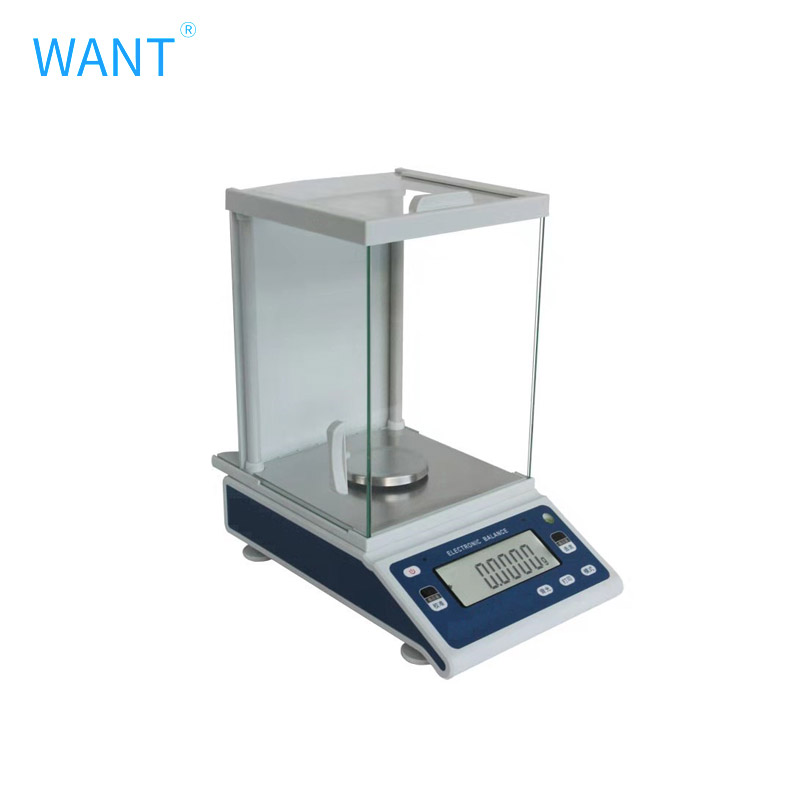
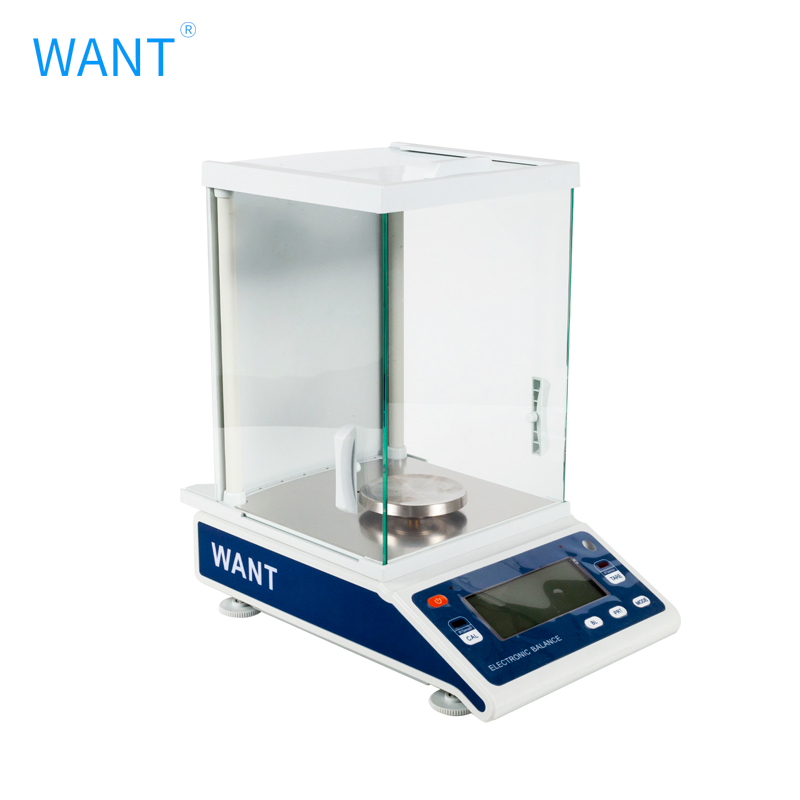
The WANT Balance 1mg Precision Balance is a versatile tool. You can use it in textile, food, medical, and educational fields. It gives consistent results for daily weighing tasks. The strong design and easy operation make it simple to use, even in busy labs. You can connect it to your computer system with RS232, RS485, or USB. The windshield protects samples from air movement, and the balance meets ISO 9001, CE, and RoHS standards. If you need a balance that fits your workflow, this model offers OEM and ODM support.
Tip: Pick high-precision instruments like the WANT Balance 1mg Precision Balance when you need both accuracy and flexibility in your lab or industry.
How to Choose the Right Balance
Factors to Consider
There are a few things to think about before you pick a balance. Analytical balances can be affected by air and shaking. This can make your results change. Precision balances do not get bothered by the room as much. You can use them for normal weighing jobs. You do not have to worry about small changes in the air. Think about how exact you need your results to be. Analytical balances can measure up to 0.0001 grams. Precision balances usually measure up to 0.001 grams. Make sure your samples are not too heavy for the balance. Some balances cannot hold more than 500 grams.
Tip: If you must follow rules like GMP or GLP, you might need more accuracy and special papers.
Matching Balance to Task
Pick the balance that fits your job. If you need to weigh very small samples or follow strict rules, use an analytical balance. For bigger samples and normal jobs, a precision balance is good. You can use precision balances for checking quality in labs. Analytical balances help with research and jobs that need very exact numbers. Look for things like draft shields, auto calibration, and easy data sharing. These things help you get good results and make your work easier.
Task Type | Recommended Balance | Key Features Needed |
|---|---|---|
Routine weighing | Precision Balance | High capacity, stability |
High-accuracy research | Analytical Balance | Draft shield, fine accuracy |
Quality control | Precision Balance | Consistent results |
Cost and Practicality
Think about how much money you can spend and what you need every day. Analytical balances cost more because they are more exact and sensitive. Precision balances cost less and are good for normal weighing. You can save money on room controls and fixing the balance. If you need to follow world rules, pick balances with ISO, CE, or RoHS marks. These marks show the balance is safe and good quality. You can also get balances with extra features if you need them for your work.
Note: Always think about both price and how exact you need your results to be.
Tips for Using Precision and Analytical Balances
Best Practices
You want your weighing to be right every time. Put your balance on a strong table. Stay away from places with shaking or moving air. Keep the balance far from doors, windows, and vents. Let the balance warm up before you use it. Always check if the balance is flat. Wear gloves or use tweezers to touch samples. This stops oils or water from changing the weight. Let samples sit in the room to get used to the temperature. You get steady numbers when you do these things.
Critical Factor | How to Avoid Errors |
|---|---|
Vibration | Use isolation tables |
Air Currents | Keep away from vents and doors |
Temperature Changes | Use temperature-controlled rooms |
Static Electricity | Use anti-static tools |
Tip: Write down each weighing session. This helps you see your results and find problems early.
Maintenance Guidelines
Doing regular care keeps your balance working well. Clean the weighing pan after you use it. Remove dust and spills right away. Calibrate your balance often. Use special calibration weights that can be traced. Follow the schedule in the table below:
Balance Class | Calibration Frequency | Verification Method |
|---|---|---|
Class I | Weekly | Certified weights |
Class II | Monthly | Internal check weights |
Class III | Quarterly | Internal check weights |
Class IV | Semi-annually | External calibration service |
Check if the balance is flat before calibration. Do calibration at the same temperature as you use the balance. Write down all calibration results. Follow the maker’s instructions for each balance.
Troubleshooting
Sometimes you see errors when weighing. If the balance shows numbers that jump, check for shaking or moving air. Make sure the balance is flat. If you see drifting numbers, check for changes in temperature or static electricity. Clean the weighing area and pan. If calibration does not work, use certified weights and try again. Call support if the problem does not go away.
Benefit | Description |
|---|---|
Measurement Accuracy | Keeps weighing precise and reliable |
Risk Mitigation | Finds problems before they affect results |
Improved Process Control | Helps optimize weighing procedures |
Note: Setting up and calibrating your balance the right way makes weighing easier and more trustworthy.
You have learned how precision balances and analytical balances are not the same. Precision balances can weigh bigger samples and are still accurate. Analytical balances are best for weighing very small samples with great accuracy. Pick the balance that fits what your lab needs. Use certified and high-quality tools, like ones from WANT Balance Instrument Co., Ltd., if you want results you can trust. If you need help with special weighing jobs, ask an expert or look for more information.
FAQ
What is the main difference between analytical balances and precision balances?
Analytical balances measure very tiny amounts. They are good for microgram accuracy. Precision balances can weigh bigger samples. They are still very accurate. Analytical balances are more sensitive and show small changes. Precision balances can hold heavier things. Both types help you get good results in the lab.
Why do analytical balances need a draft shield?
A draft shield keeps air away from the balance. It stops vibrations and moving air from touching the sample. Analytical balances need a calm place to work well. The shield helps you get steady and correct numbers.
What are common features of analytical balances?
Analytical balances have draft shields and can calibrate themselves. They show numbers with high resolution. Many have touchscreen displays. You can connect them to computers to save your data. Analytical balances help check purity and control quality.
How do you choose between types of balances?
You pick a balance based on how big your sample is. You also think about how exact you need your results. Analytical balances are best for tiny samples and purity checks. Precision balances are better for bigger samples. Look at capacity, readability, and accuracy before you choose.
Can you use analytical balances for routine lab work?
Analytical balances are used for jobs needing microgram accuracy. They help with purity checks and research. For normal weighing, you use precision balances. Analytical balances are best for jobs needing high accuracy and fine details.

Recent News
1.What is an Electronic Scale Used for in Chemistry?
2026-04-102.Electronic Balance Manufacturers You Can Trust for Labs
2026-03-233.How to Select the 0.0001 mg Analytical Balance for Your Laboratory
2026-03-194.How to Choose the Right Electronic Scale Balance for Your Laboratory
2026-03-105.Top 7 Electronic Balance Suppliers for Laboratories in 2026
2026-02-266.Latest electronic analytical balance price trends for 2026
2026-02-12