




What is an Electronic Scale Used for in Chemistry?
 Apr 10, 2026|
 View:856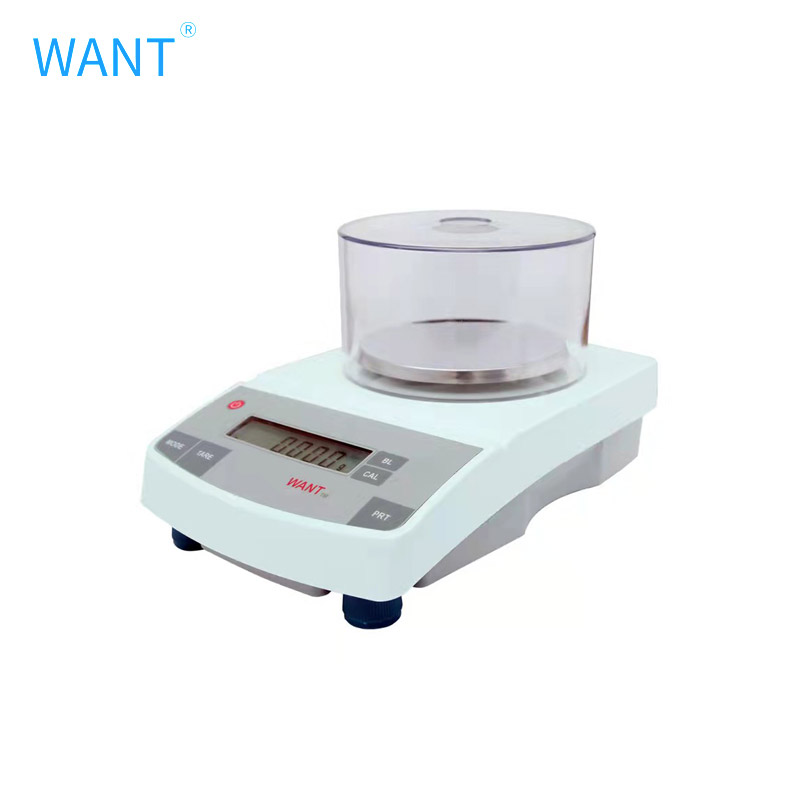
When you step into a chemistry lab, you’ll notice something immediately—precision is everywhere. From measuring liquids to timing reactions, every detail matters. But if there’s one instrument that truly defines accuracy in chemistry, it’s the electronic scale.
So, what exactly is an electronic scale chemistry tool used for? And why is it such a big deal?
Let’s break it down in a simple, practical, and engaging way—just like a real lab conversation.
Understanding the Role of Electronic Scale in Chemistry
What is an Electronic Scale?
An electronic scale is a digital weighing device designed to measure mass with high precision. Unlike traditional balances, it uses sensors and electronics to provide accurate readings almost instantly.
Think of it as the “digital brain” of mass measurement—fast, reliable, and incredibly precise.
Why Accuracy Matters in Chemistry
In chemistry, even a tiny error can completely change the outcome of an experiment. Imagine baking a cake but adding 10x more salt—disaster, right? Chemistry works the same way.
That’s why scientists rely on electronic scales—to eliminate guesswork.
Primary Uses of Electronic Scale in Chemistry
Measuring Chemical Reagents
This is the most common use. Whether you’re weighing powders, crystals, or solids, an electronic scale ensures exact quantities.
Example in Practice
If a reaction requires 2.50 grams of a compound, you can’t just estimate. The scale gives you precision down to milligrams—or even micrograms.
Preparing Solutions
Electronic scales are essential when making solutions with specific concentrations.
Why It Matters
Incorrect mass = wrong concentration = failed experiment. Simple as that.
Quantitative Analysis
In analytical chemistry, electronic scales are used to determine unknown substances by measuring mass changes.
Real-World Scenario
Gravimetric analysis depends entirely on accurate weighing. Without a precise scale, the entire method collapses.
Monitoring Reaction Progress
Some reactions involve mass loss or gain (like gas release). Electronic scales help track these changes in real time.
Calibration of Other Instruments
Electronic scales are often used to calibrate lab equipment, ensuring everything stays accurate.
Types of Electronic Scales Used in Chemistry
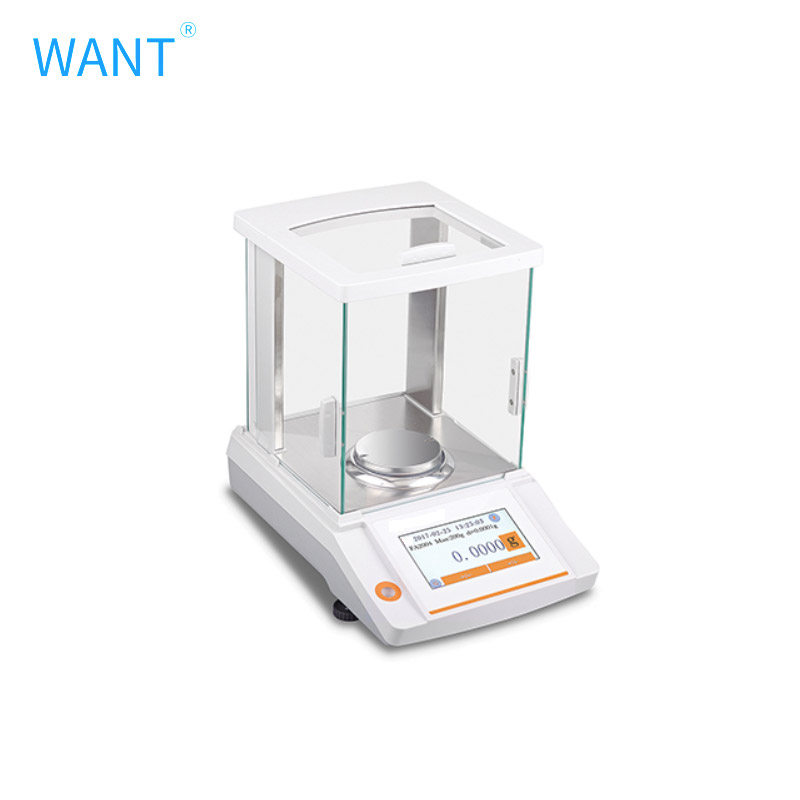
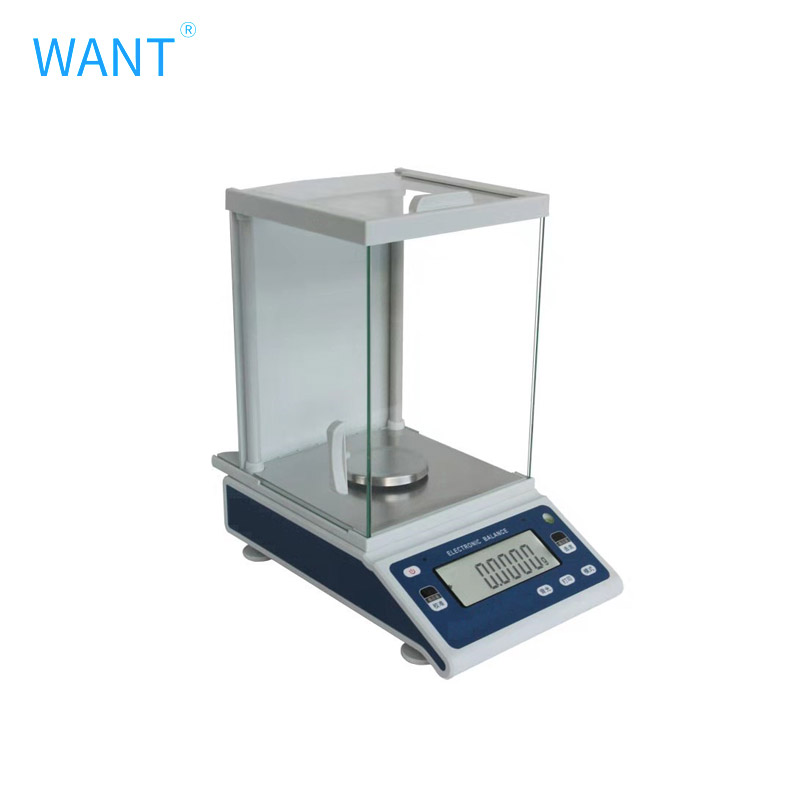
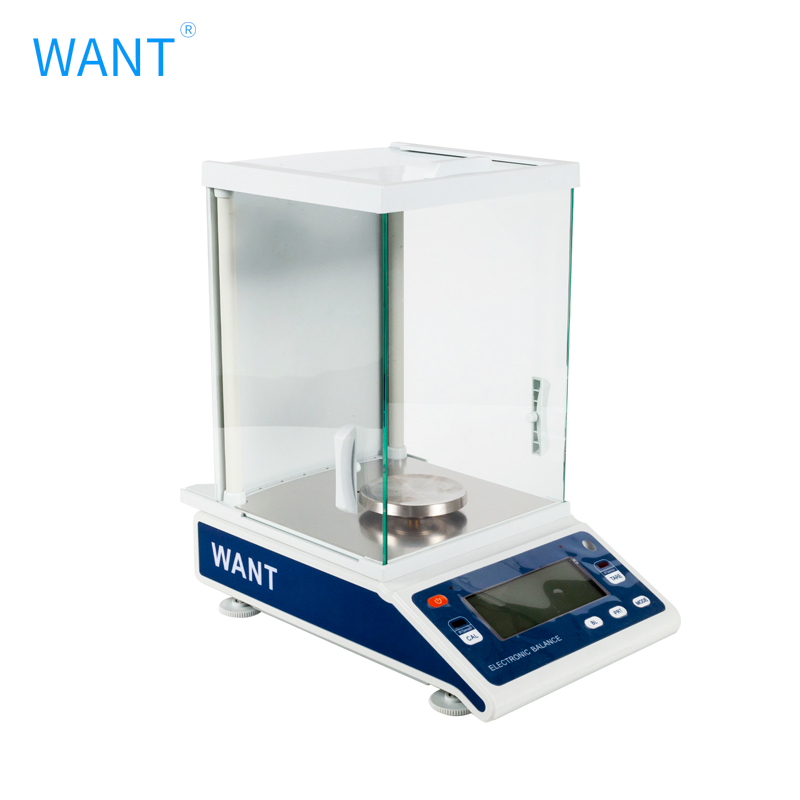
Analytical Balances
These are ultra-precise scales used for high-accuracy measurements.
Key Features
Accuracy up to 0.0001 g
Enclosed design to prevent air interference
Precision Balances
Less sensitive than analytical balances but still highly accurate.
Best For
Routine lab tasks where ultra-high precision isn’t required.
Microbalances
These are the “elite athletes” of weighing—capable of measuring extremely small masses.
Key Features of Modern Electronic Scales
Digital Display
Clear, easy-to-read measurements—no more squinting at needles.
Tare Function
Allows you to subtract container weight, so you only measure the sample.
High Sensitivity Sensors
Detect even the smallest changes in mass.
Fast Response Time
Instant readings improve workflow efficiency.
Introducing WANT Balance Instrument
About the Company
WANT Balance Instrument is a trusted name in precision weighing technology, providing high-quality solutions for laboratories and industrial applications.
Featured Product – WT-N Series
One of their standout offerings is the WT-N series electronic scale, designed specifically for laboratory environments.
Product Highlights
High precision measurement for chemical applications
Stable performance under lab conditions
User-friendly interface
Durable and reliable design
If you’re looking for a dependable solution for electronic scale chemistry, this product line is definitely worth considering.
Advantages of Using Electronic Scales in Chemistry
Accuracy and Precision
No guessing. No approximations. Just exact numbers.
Time Efficiency
Quick measurements mean faster experiments.
Reduced Human Error
Automation minimizes mistakes.
Data Consistency
Reliable results every single time.
Common Mistakes When Using Electronic Scales
Not Calibrating the Scale
Even the best scale needs regular calibration.
Ignoring Environmental Factors
Air currents, temperature, and vibrations can affect readings.
Overloading the Scale
Every scale has a limit—exceeding it can damage the device.
Best Practices for Accurate Measurements
Use a Stable Surface
Avoid shaky tables—stability is key.
Keep the Scale Clean
Dust and residue can impact accuracy.
Allow Warm-Up Time
Electronic scales need a few minutes to stabilize.
Handle Samples Carefully
Use tweezers or gloves to avoid contamination.
Applications Across Different Chemistry Fields
Organic Chemistry
Used for synthesizing compounds and measuring reactants.
Analytical Chemistry
Essential for quantitative analysis.
Pharmaceutical Chemistry
Critical for drug formulation and quality control.
Environmental Chemistry
Helps analyze pollutants and sample compositions.
Future Trends in Electronic Scale Technology
Smart Integration
Scales are now connecting to computers and lab systems.
Automation
Fully automated weighing systems are becoming more common.
Enhanced Precision
Technology continues to push the limits of accuracy.
How to Choose the Right Electronic Scale for Chemistry
Consider Your Accuracy Needs
Do you need milligram or microgram precision?
Check Capacity
Make sure the scale can handle your sample sizes.
Evaluate Features
Tare, calibration, connectivity—these all matter.
Think Long-Term
Invest in quality—it pays off over time.
Why Electronic Scales Are Indispensable in Chemistry
Let’s be honest—could chemistry exist without precise measurement? Probably not.
Electronic scales are like the foundation of a building. You don’t always notice them, but without them, everything collapses.
Final Thoughts
So, what is an electronic scale used for in chemistry?
In short—everything that involves precision.
From measuring reagents to ensuring experiment accuracy, electronic scales are the silent heroes of every lab. And with reliable manufacturers like WANT Balance Instrument, achieving high-precision results becomes not just possible—but effortless.
If you’re serious about chemistry, investing in the right electronic scale isn’t optional—it’s essential.
FAQs
What is the main function of an electronic scale in chemistry?
To measure mass accurately for experiments and analysis.
How accurate are electronic scales?
Some can measure up to 0.0001 grams or even more precise.
Why is calibration important?
It ensures the scale provides correct measurements.
Can electronic scales be used for liquids?
Indirectly, yes—by weighing the container and subtracting its mass.

Recent News
1.How to Select the 0.0001 mg Analytical Balance for Your Laboratory
2026-03-192.How to Choose the Right Electronic Scale Balance for Your Laboratory
2026-03-103.Top 7 Electronic Balance Suppliers for Laboratories in 2026
2026-02-264.Electronic Balance Manufacturers You Can Trust for Labs
2026-03-235.Latest electronic analytical balance price trends for 2026
2026-02-126.Top 5 digital analytical balance suppliers in China
2026-02-067.The difference between analytical balance and normal weighing balance
2026-10-16