




How to Choose a High-Capacity Digital Analytical Balance for Industrial Labs
 Jul 03, 2026|
 View:639
You must have a controlled environment.
You need to calibrate the balance often.
Handle the balance carefully so it works well.
These balances cost more to buy and fix than regular scales.
Think about rules and your budget to help you choose.
Key Takeaways
Pick a balance that fits your lab’s needs. This helps you avoid mistakes when measuring. - Calibrate your balance often. This keeps your results correct and exact. - Get a balance with a strong stainless steel pan. Make sure it is built to keep out dust and water. - Check if the balance has USB or Ethernet. These help you save and share your data easily. - Think about the price and future care costs. This helps you spend your money wisely.
Key Criteria for Choosing a Digital Analytical Balance
Capacity and Readability
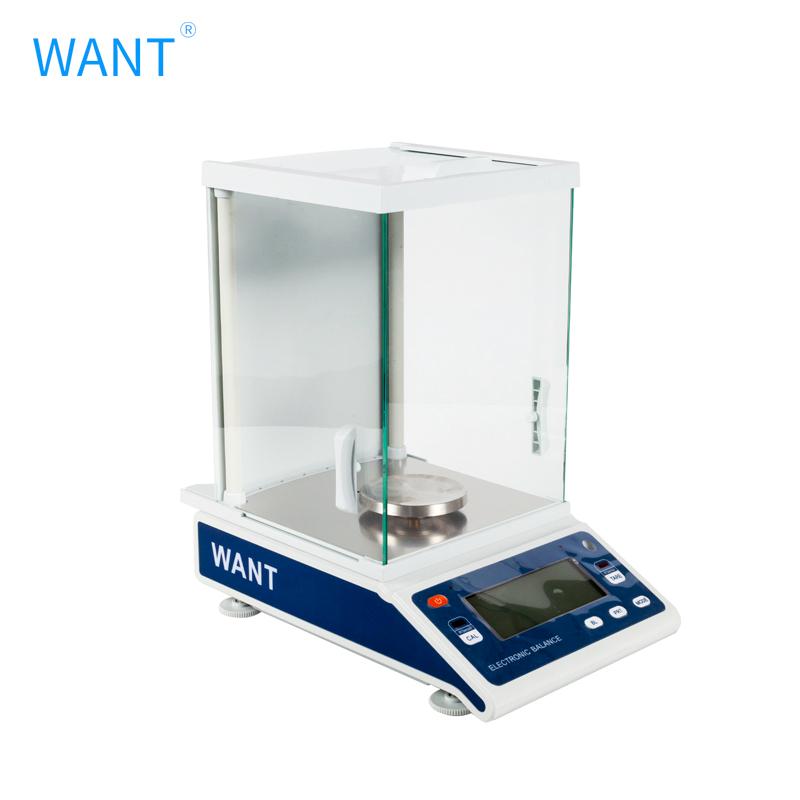
When you pick a digital analytical balance, think about how much weight you need to measure. Also, think about how small a change you want to see. Most balances in labs can measure from 200 grams to 500 grams. Some can measure even more, up to a few kilograms. If your lab needs to weigh heavy things, you can use a balance like the WT-N 5000g 0.1g digital electronic balance. This balance lets you weigh big samples and still get good results.
Readability means the smallest amount the balance can show. This is important because it tells you how exact your measurements are. If you pick a balance with the wrong readability, you might make mistakes or waste time. Always choose a balance with the right readability for your lab.
Tip: Check both the biggest weight and the smallest change the balance can show before you buy one. This helps you avoid problems at work.
Accuracy and Precision
You want your balance to give you results you can trust. Accuracy means the balance shows the real value. Precision means you get the same answer every time you weigh the same thing. Different balances have different accuracy and precision. The table below shows some types:
Type of Balance | Readability | Capacity Range | Use Cases |
|---|---|---|---|
Semi-Micro Balance | 0.01mg/0.1mg | 62g/120g to 82g/220g | Weighing powders, drugs, and chemicals in labs |
Analytical Balance | 0.0001g | N/A | Quantitative analysis, reagent measurement |
Precision Balance | 0.001g | 220g to 2100g | First step for weighing and processing samples |
Top-Loading Balance | 0.01g to 0.1g | 2600g to 15000g | Material testing in construction and engineering |
Pick the type that matches your work. For example, if you need to weigh big samples and want good results, a top-loading balance with high capacity is a smart choice.
Pan Size and Design
The pan is where you put your samples. You need a pan that fits your biggest items. But it should not be too big for your space. In labs, you often weigh heavy or large things. A strong pan made from stainless steel lasts longer and is easy to clean. Some balances have special designs to keep out dust, water, and heat. These features help your balance work well in hard places.
Pick pans made from stainless steel.
Choose a balance with a sealed or protected design.
Make sure the pan size fits your samples.
Security and Connectivity
New digital analytical balances do more than just weigh things. They help you keep your data safe and make your job easier. Many balances have USB or Ethernet ports. These let you connect the balance to computers or printers. You can save your results, print them, or send them to your lab’s system. This makes it easy to track your work and follow rules.
USB and Ethernet help you keep digital records.
You can connect your balance to a Laboratory Information Management System (LIMS).
Good connections help you pass checks and keep your lab working well.
When you pick a digital analytical balance, always check the security and connection options. These features help your lab work better and follow the rules.
Understanding Analytical Balances in Industrial Labs
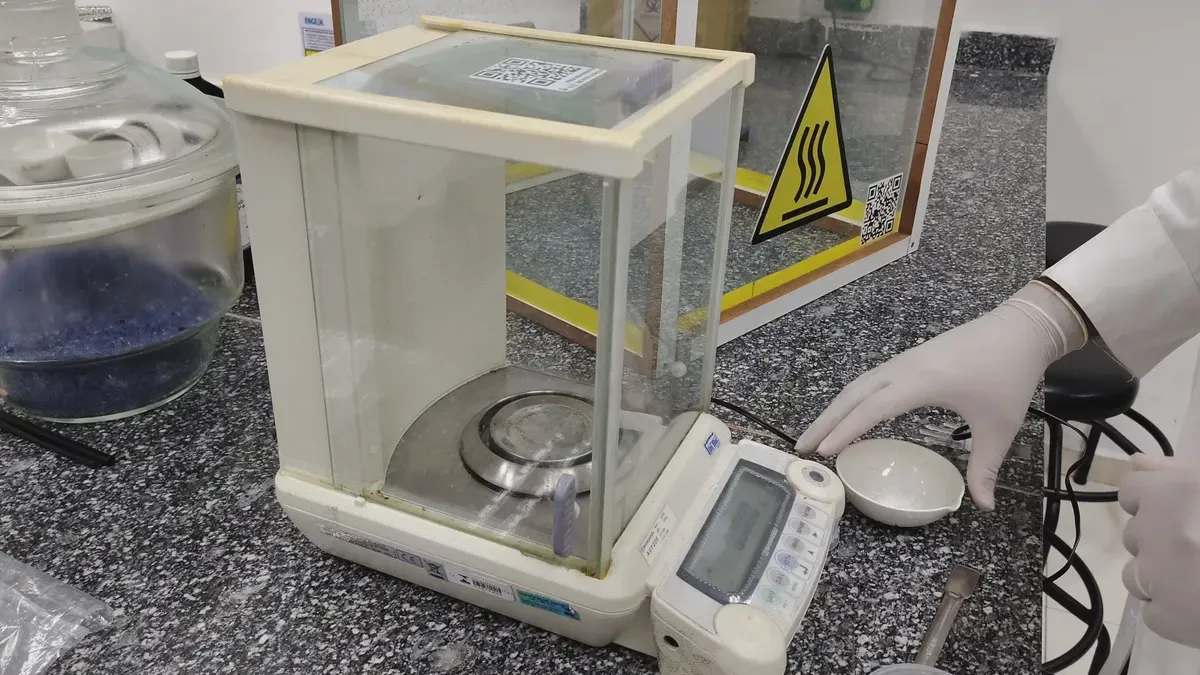
Analytical Balance Types
There are different types of laboratory balances in industrial labs. Each type does a special job. Analytical balance and precision balance are used the most. You use an analytical balance to measure very small samples. This balance can measure as small as 0.0001 grams. Precision balances can hold more weight but are not as sensitive. They are good for everyday weighing.
Feature | Analytical Balances | Precision Balances |
|---|---|---|
Readability | 0.0001 g | 0.001 g |
Capacity | Lower maximum capacity | Higher capacity |
Environmental Sensitivity | Highly sensitive to drafts and vibrations | More adaptable to standard conditions |
Applications | Essential for highly sensitive measurements | Suitable for routine weighing tasks |
Analytical balances are very accurate. People use them for sample preparation and quality control in pharmaceutical labs. They are also important in research labs. Precision balances cost less and are used for normal jobs. Analytical balances need a special environment to work right. Precision balances can work in more places.
In the last ten years, digital analytical balances have improved a lot. Labs now use balances that connect to computers and LIMS. This helps cut down on mistakes and makes record keeping easier. Many labs in pharmaceuticals, chemicals, and food testing use these balances to meet strict rules.
Environmental Setup
You need to put your analytical balance in the right place to get good results. Changes in temperature can change your results. Humidity can cause water drops or static, which can make mistakes. Vibrations from machines or people walking can make the balance move. Air blowing can move your sample or pan and change the reading.
Tip: Always put your analytical balance on a steady table away from doors, windows, and big machines.
Here are some best practices for using your laboratory balances:
Follow the instructions from the manufacturer.
Calibrate your analytical balance often.
Keep the area clean and free from dust.
Store the balance right and control the environment.
Get professional help and service when needed.
You will get better results if you control these things. Analytical balances help you get accurate measurement in quality control, research, and sample preparation. New laboratory balances have features like AI-powered calibration and cloud monitoring. These new tools help you keep accuracy even in busy labs.
Evaluating and Comparing Analytical Balances
Calibration and Maintenance
You need to keep analytical balances working well. Start by making a routine for calibration. Let the balance warm up first. Check the bubble level to make sure it is right. Make sure the pan is empty. Close the draft shield doors. Use the calibration menu to begin. The balance puts an internal weight on the pan. Wait until the adjustment is done. Always check the result with a certified weight. Keep the room between 20 and 25°C. Make sure humidity stays below 70%. Put the balance on a steady surface. Keep it away from sunlight and air currents.
Make a schedule for maintenance. Every day, look at the balance and clean it. Each week, clean more and check calibration. Once a month, do full calibration and check all parts. Every year, call a professional for service and certification. Regular care helps balances last longer and work better.
Compliance and Certification
You must follow strict rules in regulated labs. These rules keep your data safe and your results reliable. Labs in pharmaceutical and chemical industries must meet standards like ISO, GLP, and cGMP. These standards say you must calibrate and validate balances often.
Here are some common certifications for analytical balances:
Certification Standard | Description |
|---|---|
USP Chapter <1058> | Qualification of analytical instruments for reliability. |
Ph. Eur. Chapter 2.1.7 | Guidelines for accuracy, precision, and calibration. |
OIML R 76-1 | International rules for technical aspects of balances. |
ISO 17025 | Calibration and maintenance framework. |
GLP | Ensures consistent operation and data integrity. |
Leading Brands and Models
You have many choices for analytical balances. WANT Balance Instrument Co., Ltd. makes the WT-N 5000g 0.1g digital electronic balance for high-capacity weighing. This model has advanced features and strong performance. Other top brands are Mettler Toledo, Sartorius, and Ohaus. Compare their models for accuracy, pan size, and connectivity. Pick the one that fits your lab’s needs and meets all standards. Analytical balances from trusted brands help you work with confidence every day.
Budget and Total Cost Considerations
Initial Cost vs. Long-Term Value
When you pick a digital analytical balance, think about the price now and later. Labs often have a set amount of money to spend. Because of this, many labs buy cheaper or middle-priced balances. You want to save money, but you also need your balance to work well and be correct. If you only care about price, you might miss features that help you weigh things right for a long time.
Good balances do more than just weigh things. They can be very exact, sometimes showing changes as small as 0.0001 g. This helps you avoid mistakes and keeps your results correct. Draft shields stop air and heat from changing your weighing. This helps you get the same results each time. These balances also help you follow lab rules. You can avoid trouble by using a balance that helps you meet these rules. Sensitive balances show even tiny changes in weight. These features help you save money because you make fewer mistakes.
Very exact weighing for important jobs
Draft shields help keep results steady
Helps you follow lab rules
Shows even small changes in weight
Digital analytical balances usually cost about $3,000 at first. This is more than some other balances. But you get better results and fewer mistakes. Over time, you spend less fixing errors or doing tests again.
Maintenance and Support
You also need to think about the cost to keep your balance working. You will need to pay for things like calibration and repairs. If you buy a good balance, you may not need as many repairs. Your balance will also stay correct for longer.
Labs use different support services:
Service Type | Description |
|---|---|
Scale Service + Repair | Fixes and takes care of your balance. |
Certified Scale Calibration | Makes sure your balance is correct and meets rules. |
Preventive Maintenance Programs | Regular checks to stop problems before they start. |
Tip: Make a plan to check and clean your balance often. This keeps your balance working well and helps it last longer.
If you plan for both the first price and the cost to keep it working, your lab will get good results for many years.
You can pick the right digital analytical balance if you follow some easy steps. First, choose the accuracy class and how much weight it can hold. Then, pick how you will calibrate it and make sure the place you use it is steady. After that, look at the software to see if it helps you keep track of your data. Make sure the balance fits what your lab needs. You can use a checklist to help you remember:
Accuracy class
Maximum capacity
Calibration method
Operating environment
Software functionality
Always keep your balance clean. Calibrate it a lot. Be gentle when you use it. Think about how well it works and how long it will last before you buy it.
FAQ
What are precision balances used for in industrial labs?
Precision balances help you measure samples very accurately. You use them for daily lab work. Labs weigh chemicals, powders, and other materials with them. Precision balances give results you can trust for routine jobs.
How do precision balances differ from analytical balances?
Precision balances can hold bigger samples. They do not show tiny changes as well as analytical balances. Analytical balances measure smaller amounts with more sensitivity. Both types help you get accurate results. Precision balances are better for weighing larger items.
Why should you calibrate precision balances often?
You need to calibrate precision balances to keep them correct. Regular calibration stops mistakes. You use certified weights for calibration. This makes sure your balance gives the right results every time.
Can you use precision balances for quality control testing?
Yes, you can use precision balances for quality control. These balances help you check if products are consistent. Many industries use them to make sure products meet standards. Precision balances give fast and reliable results for quality control.
What features make precision balances high-precision instruments?
Precision balances have advanced sensors and stable pans. You get quick readings and few errors. These features make them high-precision instruments. You can trust them for important measurements in your lab.
How do you maintain precision balances for long-term use?
Clean precision balances after each use. Store them safely. Calibrate them often. Check for damage. These steps keep your balance working well. Good care helps your balance last longer.
How do you choose the right precision balances for your lab?
Look at capacity, readability, and pan size. Make sure the balance fits your samples. Check if it has the features you need. Ask vendors for advice. Pick precision balances that match your lab’s needs.
Can precision balances connect to computers or printers?
Yes, many precision balances have USB or RS232 ports. You can connect them to computers or printers. This lets you save and print your results. You can send data to your lab’s system. These features make your work easier.
Are precision balances easy to use for students?
Yes, precision balances are easy to use. You follow simple steps to weigh samples. Many models have clear displays and easy controls. Students learn to use them quickly. You get accurate results with little training.
What industries use precision balances most?
Many industries use precision balances. You find them in food, chemical, pharmaceutical, and textile labs. These balances help with research, production, and quality control. You can rely on precision balances for many jobs.


Recent News
1.Top 10 Electronic Balance Suppliers 2026
2026-06-172.What is Electromagnetic Balance and How Does It Work
2026-06-123.Top 10 Digital Balance Manufacturers in China 2026
2026-06-044.What is an Electronic Weighing Balance and How Does It Work
2026-06-015.What is a digital analytical balance and how does it work
2026-05-286.What is 0.0001g Analytical Balance?
2026-05-147.How Precision Balances and Analytical Balances Differ in Laboratory Settings
2026-04-308.What is an Electronic Scale Used for in Chemistry?
2026-04-10