




Electronic Balance: Types, Components, Accuracy, and How to Choose
 Sep 10, 2026|
 View:5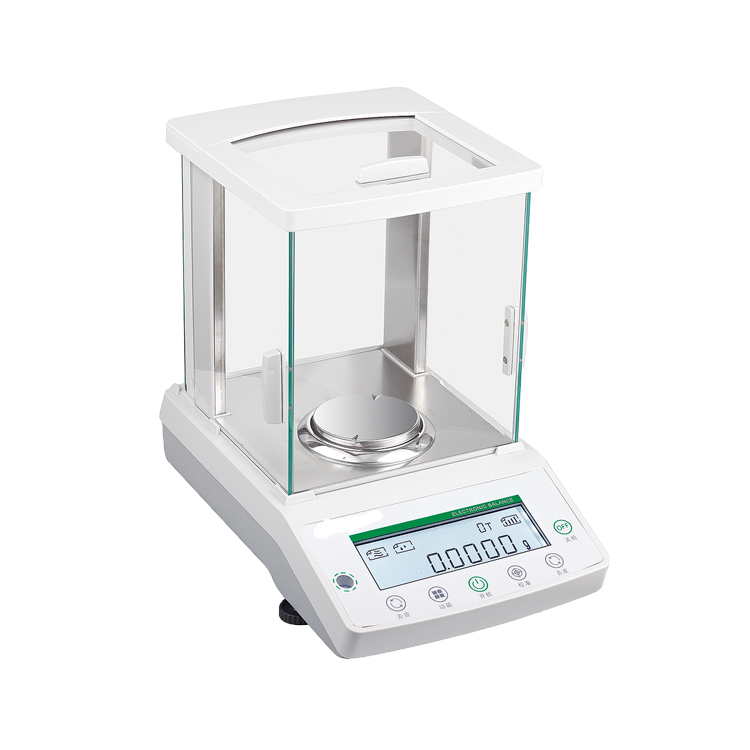
Choosing the right electronic balance requires more than comparing price and maximum capacity. Readability, repeatability, calibration, minimum sample weight, operating environment, and application requirements can all affect weighing performance. For laboratories, pharmaceutical facilities, food manufacturers, industrial quality control, and research applications, selecting the appropriate balance is essential for obtaining reliable and repeatable measurements.
This guide explains what an electronic balance is, how it works, its main components and types, how accuracy and readability differ, and how to select the right model for your application.
Key Takeaways
An electronic balance measures mass using a load cell or electromagnetic force compensation system and converts the measurement into a digital reading.
Readability, accuracy, repeatability, capacity, and minimum sample weight are different specifications and should not be treated as the same.
Analytical balances are designed for highly precise laboratory measurements, while precision balances are generally suitable for higher-capacity routine weighing.
The best electronic balance depends on sample weight, required readability, application environment, calibration requirements, and regulatory or data-management needs.
For professional laboratory and industrial applications, choosing a balance based on actual weighing requirements is more important than simply choosing the highest resolution.
What Is an Electronic Balance?
An electronic balance is a precision weighing instrument that uses an electronic sensing system to determine the mass of an object and display the result digitally. Unlike traditional mechanical balances, electronic balances use technologies such as load cells, strain gauges, or electromagnetic force compensation to detect changes in weight.
Electronic balances are widely used because they provide fast measurements, digital readability, convenient operation, and repeatable results. Depending on the design and resolution, an electronic balance may be used for routine industrial weighing or highly precise laboratory measurements.
The term electronic weighing balance is often used interchangeably with electronic balance or digital balance. However, different models can have significantly different capacities, resolutions, accuracy levels, and intended applications.
How Does an Electronic Balance Work?
The basic working process of an electronic balance can be summarized as:
Sample → Load or Force Detection → Signal Conversion → Data Processing → Digital Display
When a sample is placed on the weighing pan, its force causes a measurable change in the balance's sensing mechanism. The sensor converts this physical change into an electrical signal. The balance's electronic system then processes the signal and calculates the corresponding mass.
1. Load Detection
The weighing system detects the force generated by the sample. Depending on the balance design, this may be accomplished using a load cell, strain gauge system, or electromagnetic force compensation technology.
2. Signal Conversion
The detected force is converted into an electrical signal. The electronic circuit processes this signal so that very small changes in weight can be measured.
3. Data Processing
A microprocessor processes the measurement signal and applies calibration and compensation parameters. The system then calculates the displayed weighing value.
4. Digital Display
The final measurement is shown on the digital display, usually in units such as grams, milligrams, kilograms, or other selectable units depending on the balance.
What Are the Main Components of an Electronic Balance?
Although electronic balance designs vary by model and application, most systems include several important components.
| Component | Function |
|---|---|
| Weighing Pan | Supports the sample being measured. |
| Load Cell or Weighing Sensor | Detects the force generated by the sample. |
| Signal Processing Circuit | Converts and processes the sensor signal. |
| Microprocessor | Calculates the weighing result and manages balance functions. |
| Digital Display | Shows the measured value and operating information. |
| Calibration System | Helps maintain measurement accuracy. |
| Draft Shield | Reduces the influence of air movement on sensitive measurements. |
| Interface | Allows data transfer to computers, printers, or laboratory systems when supported. |
What Are the Types of Electronic Balance?
Electronic balances can be classified according to readability, capacity, weighing technology, and application.
Analytical Balance
An analytical balance is designed for high-precision laboratory weighing, typically with readability such as 0.1 mg. Many analytical balances include a draft shield to minimize the influence of airflow and other environmental disturbances.
Analytical balances are commonly used in pharmaceutical laboratories, chemical analysis, research, quality control, and sample preparation.
Precision Balance
A precision balance generally provides higher capacity than an analytical balance while maintaining fine readability. Depending on the model, readability may range from milligram-level to other precision levels.
Precision balances are suitable for laboratory preparation, industrial quality control, formulation, material testing, and routine weighing applications.
Compact Electronic Balance
Compact electronic balances are designed for applications where portability, space efficiency, and simple operation are important. They are commonly used for education, retail, field work, and routine weighing.
Industrial Electronic Balance
Industrial electronic balances are designed for heavier loads and demanding working environments. Depending on the application, they may include larger weighing platforms, rugged construction, connectivity, and specialized functions.
Electronic Balance Accuracy vs Readability vs Repeatability
One of the most common mistakes when selecting an electronic balance is treating accuracy, readability, and repeatability as the same specification. They describe different aspects of weighing performance.
| Specification | What It Means | Why It Matters |
|---|---|---|
| Readability | The smallest displayed increment. | Determines how finely the measurement is displayed. |
| Accuracy | How close the measurement is to the actual or reference value. | Important when measurement correctness is critical. |
| Repeatability | How consistently the balance produces the same result under the same conditions. | Important for quality control and repeated measurements. |
| Capacity | The maximum load the balance is designed to weigh. | Ensures the balance can handle the required samples. |
| Minimum Sample Weight | The minimum amount of material that can be weighed reliably for a specified requirement. | Important for small-dose and analytical applications. |
A balance with finer readability is not automatically more accurate in every application. Users should evaluate the complete specification and the actual weighing conditions before selecting a model.
What Factors Affect Electronic Balance Accuracy?
Even a high-performance electronic balance can produce unstable or inconsistent results if environmental conditions are not properly controlled.
Airflow
Air movement can influence sensitive weighing measurements. Analytical balances commonly use draft shields to reduce this effect.
Vibration
Mechanical vibration from nearby equipment, doors, pumps, or building structures can affect measurement stability, particularly when using high-resolution balances.
Temperature
Changes in ambient temperature can influence the balance and the sample. Allowing the balance to reach thermal equilibrium before precise measurements can help improve stability.
Static Electricity
Static charges can create unwanted forces between the sample, container, and balance. This can be particularly important when weighing lightweight or non-conductive materials.
Improper Calibration
Calibration helps the balance maintain measurement performance. The required calibration method and frequency depend on the balance, application, operating environment, and quality-management requirements.
Unstable Installation
The balance should be placed on a stable, level surface appropriate for the required weighing precision.
How to Choose the Right Electronic Balance?
The correct electronic balance should be selected according to the actual application rather than simply choosing the highest available resolution.
Step 1: Determine the Sample Weight
First identify the typical and maximum sample weights you need to measure. Select a balance with sufficient capacity without compromising the required weighing performance.
Step 2: Determine the Required Readability
Decide whether your application requires 0.1 mg, 1 mg, 0.01 g, 0.1 g, or another readability level.
For example, a pharmaceutical laboratory performing small-sample measurements may require an analytical balance with 0.1 mg readability, while routine industrial preparation may be better suited to a higher-capacity precision balance.
Step 3: Consider Minimum Sample Weight
If your application involves very small quantities, check the balance's minimum sample weight and relevant repeatability specifications rather than evaluating readability alone.
Step 4: Evaluate the Working Environment
Consider whether the balance will be exposed to:
Airflow
Vibration
Temperature changes
Static electricity
Dust or contamination
Frequent operator movement
Environmental conditions can determine whether you need features such as a draft shield, enhanced stability, or a specialized weighing design.
Step 5: Check Calibration Requirements
Determine whether your process requires internal calibration, external calibration, routine verification, or specific calibration procedures.
Step 6: Consider Data Connectivity
For laboratories and industrial facilities that need digital records, consider balances with suitable data interfaces and communication functions. Data connectivity can help integrate weighing results into documentation, quality control, or laboratory workflows.
Step 7: Match the Balance to the Application
Finally, match the balance type and specifications to the actual application, such as pharmaceutical formulation, chemical analysis, food testing, research, industrial quality control, or routine weighing.
Electronic Balance Applications
Electronic balances are used across a wide range of industries because different balance configurations can support both routine and high-precision weighing.
Pharmaceutical Industry
Pharmaceutical laboratories use analytical and precision balances for sample preparation, formulation, quality control, and laboratory testing.
Chemical Laboratories
Electronic balances are used to measure reagents, prepare samples, and support analytical procedures where consistent weighing is required.
Food and Beverage
Food manufacturers and laboratories use electronic balances for formulation, ingredient measurement, quality control, and testing.
Industrial Quality Control
Precision and industrial balances can be used for material preparation, component weighing, production checks, and quality-control processes.
Research and Education
Laboratories, universities, and research institutions use electronic balances for experiments, sample preparation, material analysis, and teaching.
Jewelry and Precision Applications
High-resolution balances can be used where small changes in sample mass need to be measured with consistent results.
Electronic Balance Calibration: Why Is It Important?
Calibration establishes the relationship between the balance's displayed result and a known reference value. Regular calibration or verification can help identify changes in weighing performance caused by environmental conditions, long-term use, relocation, or other factors.
The appropriate calibration procedure depends on the balance model and the requirements of the application. Laboratories operating under formal quality systems may also have defined calibration and verification procedures.
For critical weighing applications, users should follow the manufacturer's instructions and their internal quality-management procedures.
Electronic Balance Maintenance Tips
Proper maintenance can help extend service life and maintain stable weighing performance.
Keep the weighing pan and surrounding area clean.
Avoid placing samples beyond the specified capacity.
Protect sensitive balances from strong airflow and vibration.
Allow the balance to reach stable operating conditions before precision measurements.
Follow the recommended calibration and verification procedures.
Use suitable containers when weighing powders, liquids, or corrosive materials.
Keep the balance level and installed on a stable surface.
Follow the manufacturer's cleaning and maintenance recommendations.
Electronic Balance vs Analytical Balance: What Is the Difference?
An analytical balance is a type of electronic balance designed for higher-precision laboratory weighing. Therefore, the two terms should not always be treated as separate categories.
| Feature | General Electronic Balance | Analytical Balance |
|---|---|---|
| Purpose | Routine and precision weighing | High-precision laboratory weighing |
| Typical Readability | Varies by model | Commonly 0.1 mg |
| Capacity | Wide range | Usually optimized for laboratory samples |
| Draft Shield | Optional depending on design | Commonly included |
| Typical Applications | Industrial, laboratory, education, routine weighing | Pharmaceutical, chemical, research, analytical laboratories |
Why Choose WANT Balance?
For buyers sourcing laboratory and professional weighing equipment, product specifications are only one part of the purchasing decision. The supplier's ability to provide suitable models, technical support, customization, and responsive communication can also affect the overall procurement process.
WANT Balance provides electronic weighing solutions covering different readability and capacity requirements for laboratory, industrial, and professional applications.
When selecting a WANT balance, buyers can match the required capacity, readability, application, and weighing environment with the appropriate balance series rather than choosing a single model for every application.
Solutions for Different Weighing Requirements
Analytical Balances: Suitable for high-precision laboratory weighing and applications requiring fine readability.
Precision Balances: Designed for applications requiring a balance between weighing capacity and precision.
Electronic Balances: Available for routine laboratory, industrial, and professional weighing requirements.
Customized Solutions: Suitable for buyers with specific application, configuration, or OEM/ODM requirements.
For distributors, laboratory equipment suppliers, manufacturers, and other B2B buyers, WANT Balance can provide product selection support based on the required capacity, readability, application, and operating conditions.
Frequently Asked Questions About Electronic Balances
What is an electronic balance used for?
An electronic balance is used to measure the mass of samples, materials, components, ingredients, and other objects. Depending on its specifications, it can be used in laboratories, pharmaceutical production, food testing, industrial quality control, education, research, and other applications.
How accurate is an electronic balance?
The accuracy of an electronic balance depends on its design, readability, calibration, capacity, environmental conditions, and application. A balance with finer readability is not necessarily more accurate under every condition.
What is the difference between readability and accuracy?
Readability refers to the smallest increment shown on the display, while accuracy describes how close the measurement is to the actual or reference value. They are related but are not interchangeable specifications.
What is the difference between an electronic balance and a precision balance?
Electronic balance is a broad term covering digitally operated weighing instruments. A precision balance is a specific type of electronic balance designed to provide relatively high precision while often offering greater capacity than an analytical balance.
When should I use an analytical balance?
An analytical balance is appropriate when the application requires high-resolution laboratory weighing, particularly for small samples and processes where measurement precision is critical.
What factors can affect electronic balance performance?
Airflow, vibration, temperature changes, static electricity, improper calibration, unstable installation, sample handling, and unsuitable weighing procedures can all affect measurement stability and reliability.
How do I choose an electronic balance for my laboratory?
Start by determining sample weight, required readability, capacity, minimum sample weight, environmental conditions, calibration requirements, data connectivity, and application needs. Then select a balance whose specifications match those requirements.
Conclusion
An electronic balance is more than a digital weighing device. Its performance depends on the sensing technology, readability, repeatability, capacity, calibration, environmental conditions, and intended application.
For routine weighing, a general electronic or precision balance may be sufficient. For highly sensitive laboratory measurements, an analytical balance may be more appropriate. The key is to select the balance according to the actual weighing requirements rather than focusing on a single specification.
WANT Balance offers weighing solutions for different laboratory, industrial, research, and professional applications. If you are sourcing electronic balances for your business or need help matching a balance to a specific weighing requirement, contact WANT Balance with your target capacity, readability, application, and working environment.
Recommended Products

FA1204L 120g 0.1mg Analytical Balance
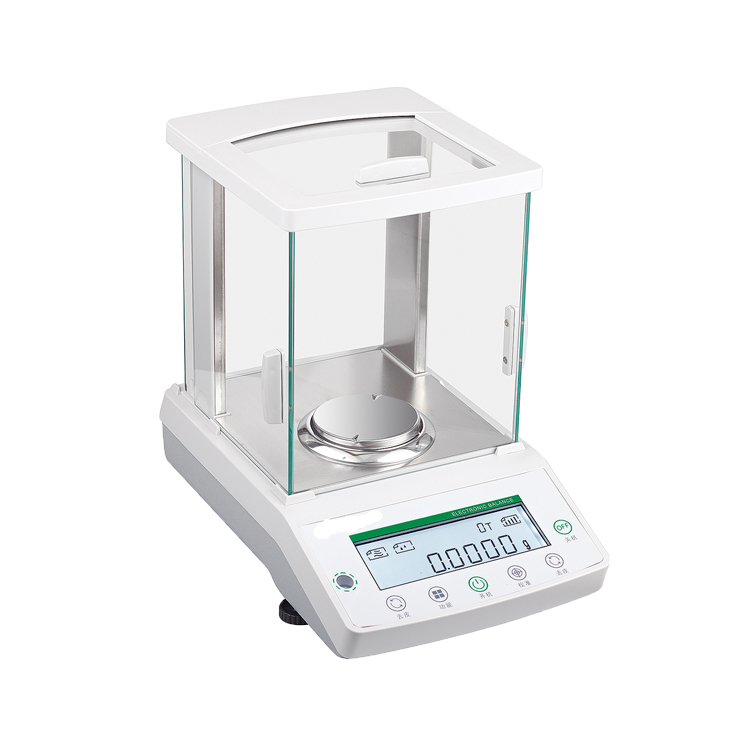
FA3204N 0.0001g 0.1mg 320g Digital laboratory balance scale
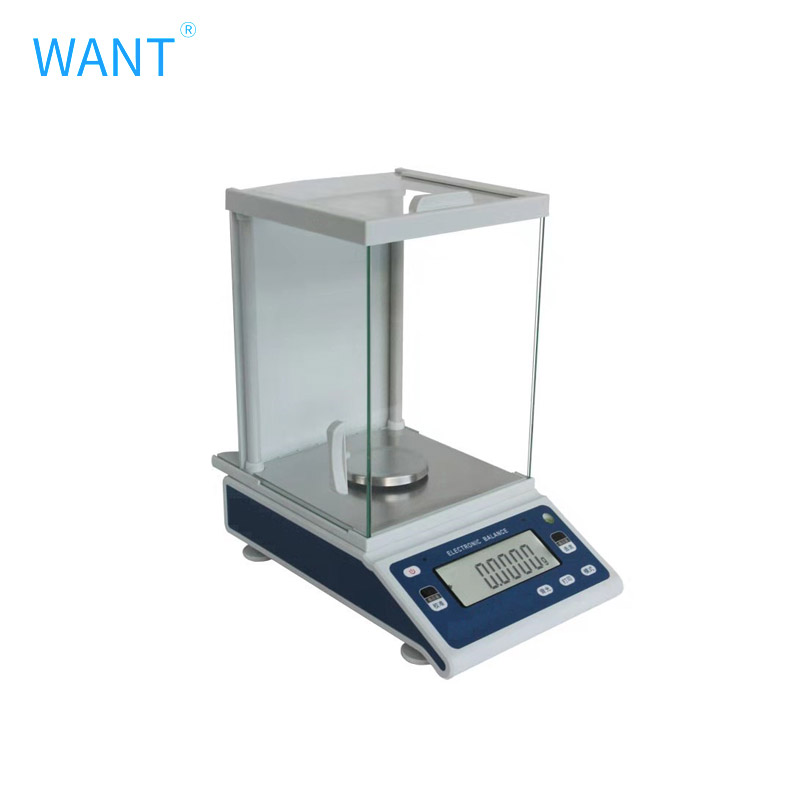
WANT FA 0.1mg Switch panel type Analytical balance

FA5204X(N) 520g/0.1mg Electronic Balance

WT60002GF 6000g/0.01g Electronic Balance
FA5204X(N) 520g/0.1mg Electronic Balance
WANT BYHD03 200kg 50g Manual Height And Weight Scale


Recent News
1.Key Factors to Consider When Buying a Laboratory Balance in 2026
2026-08-312.Who Makes the Best 0.01g Electronic Balance in China?
2026-09-153.What Makes a Reliable Electronic Balance Supplier?
2026-09-024.Precision Balance vs Analytical Balance: How to Choose the Right One?
2026-08-205.How to Choose an Analytical Balance for Laboratory and Industrial Applications
2026-08-146.Choosing the Best Electronic Scale for Laboratory Inventory and Parts Counting
2026-07-307.Top 10 Electronic Balance Manufacturers in China 2027
2026-07-16